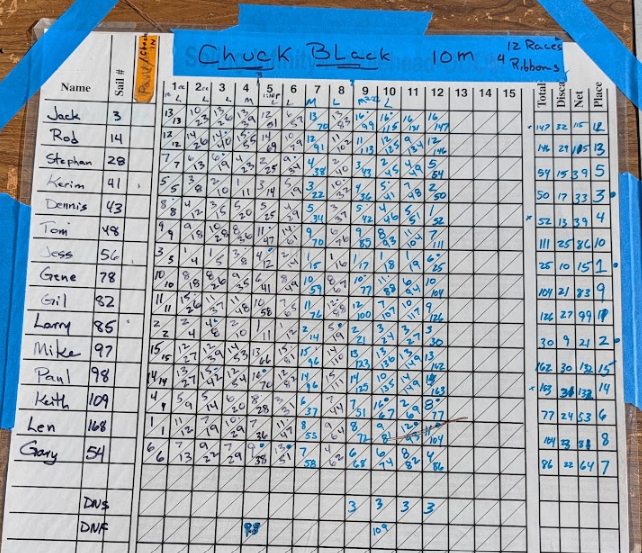
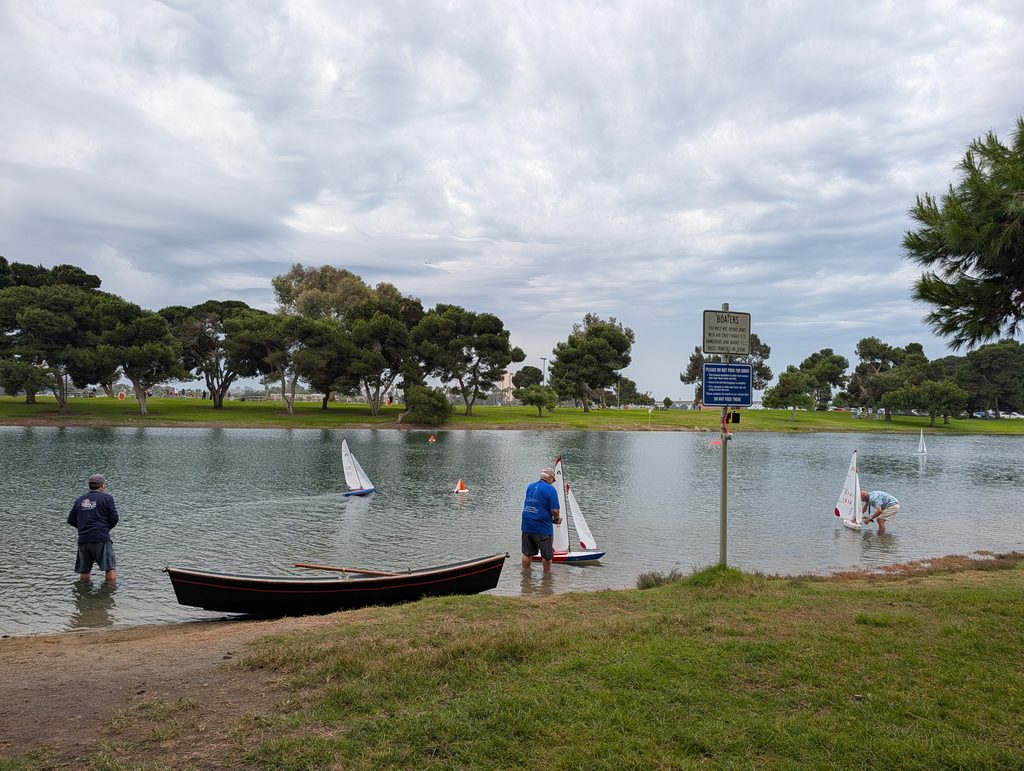
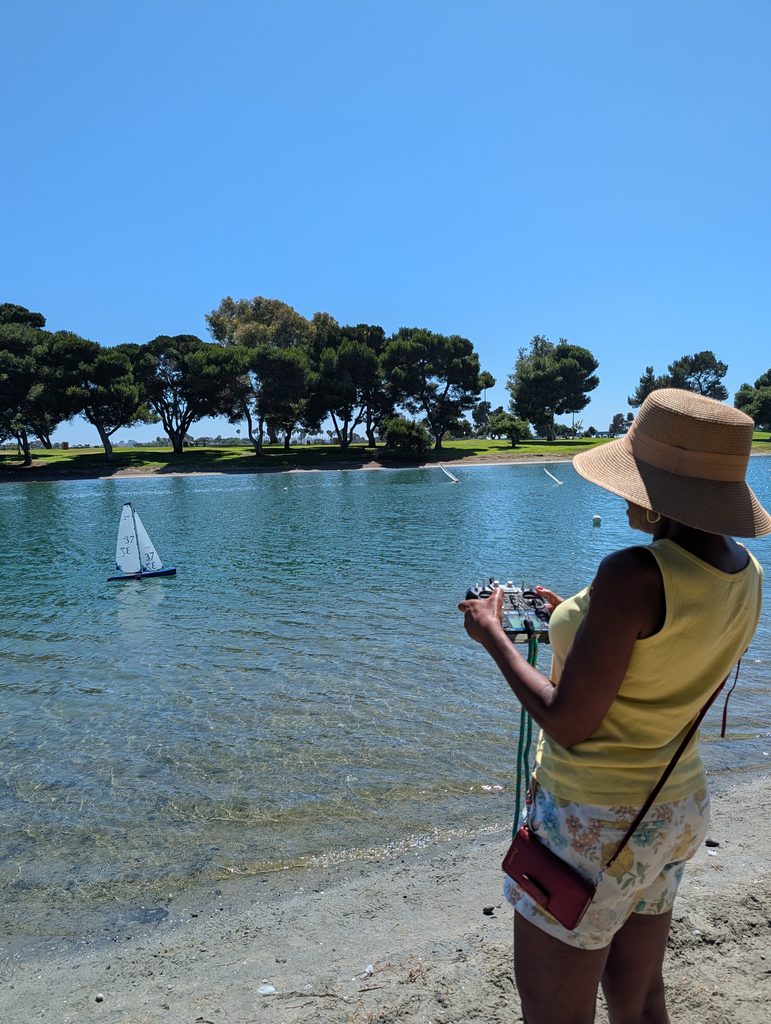
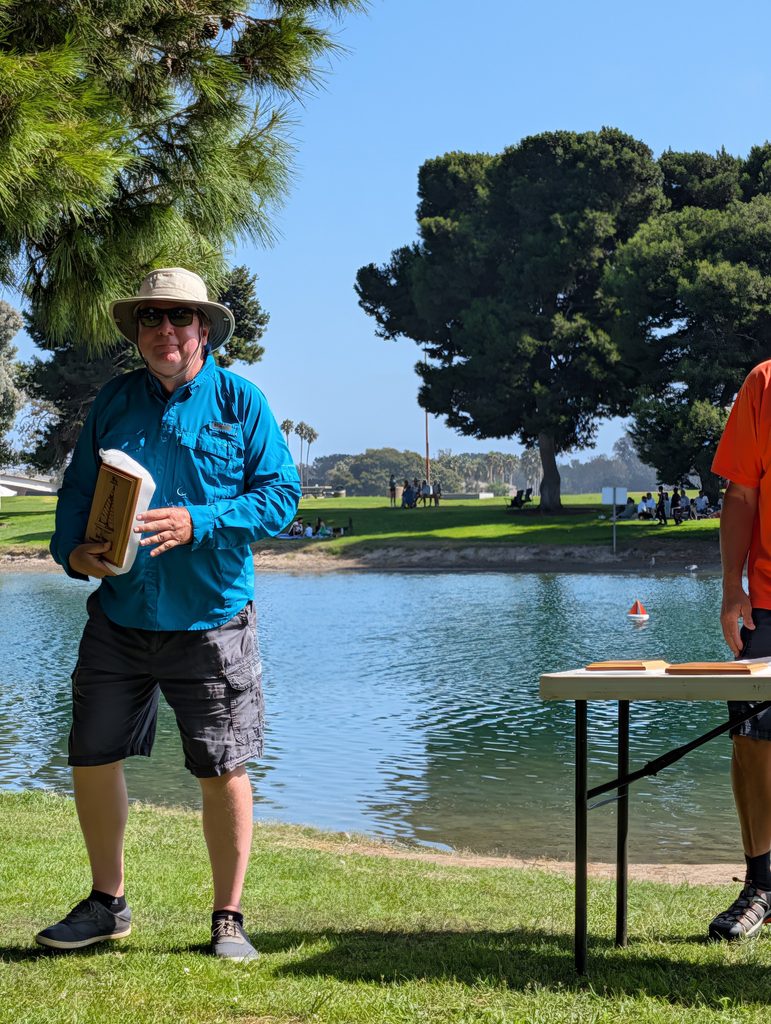
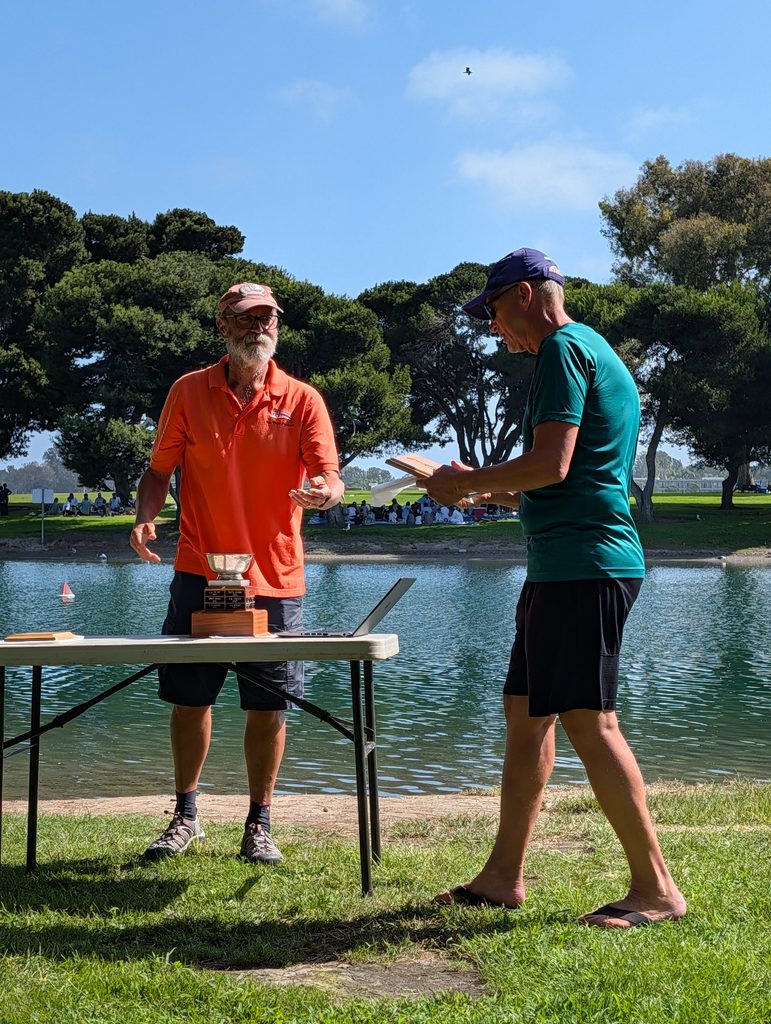
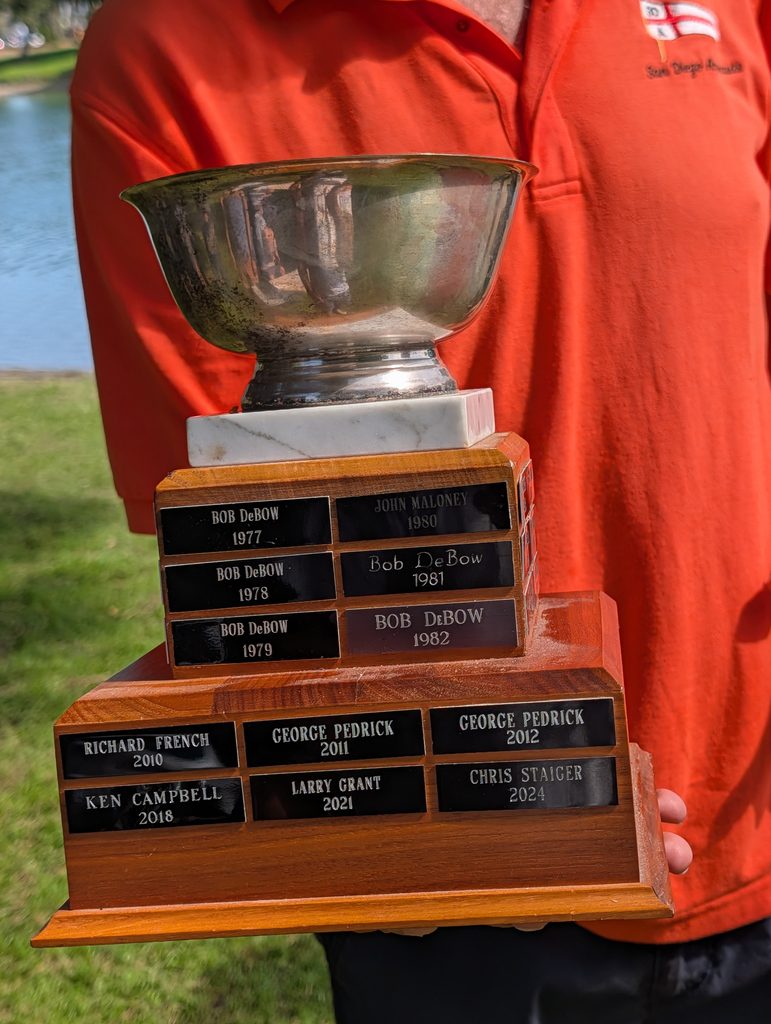
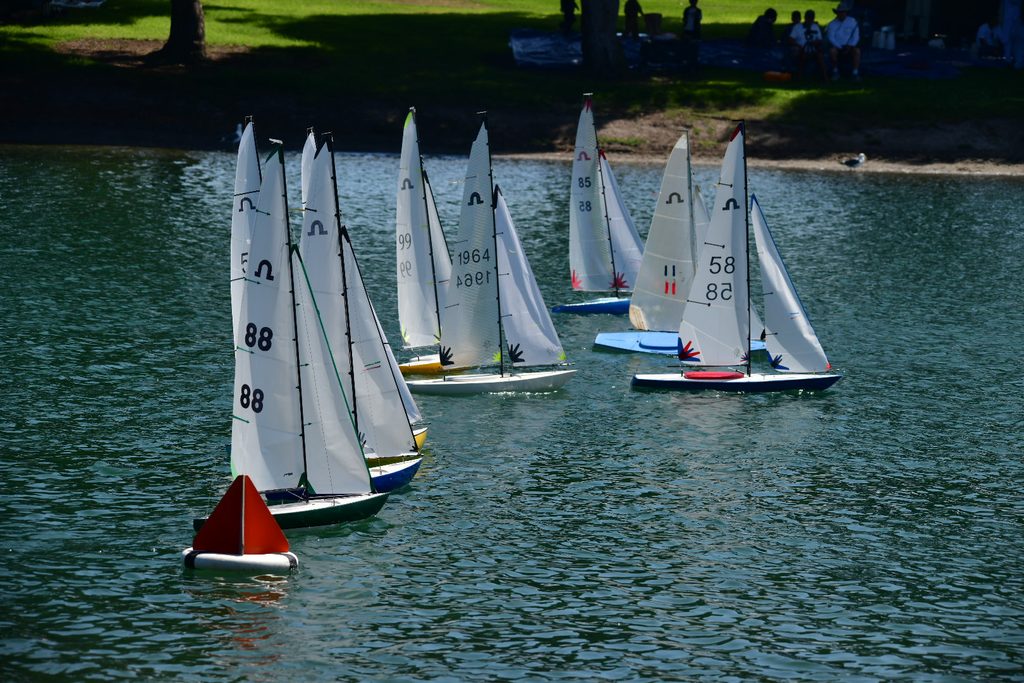
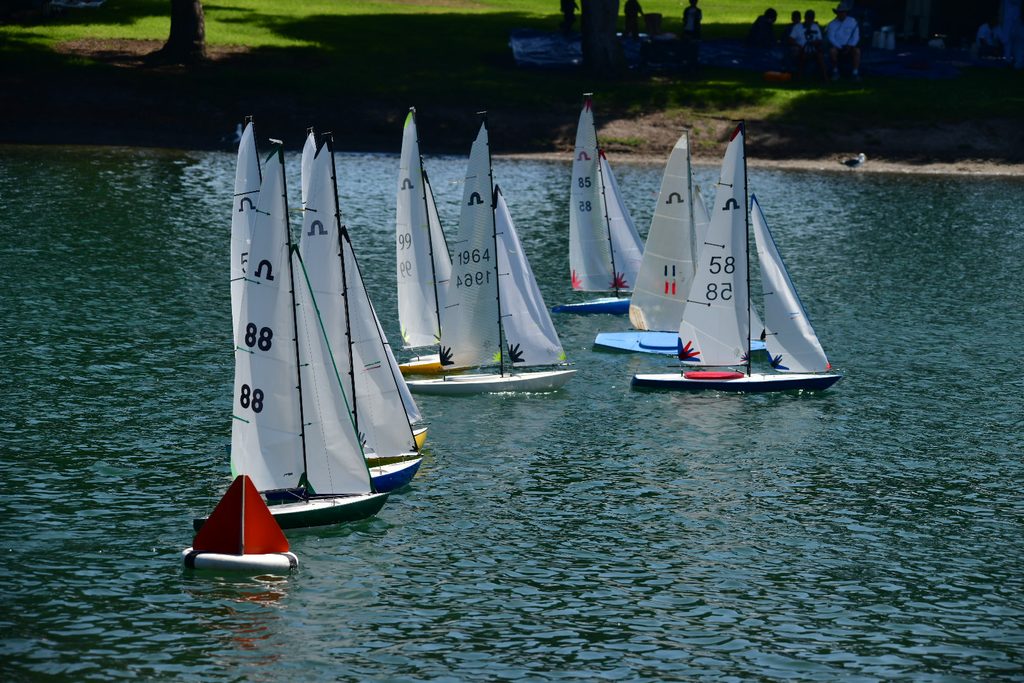
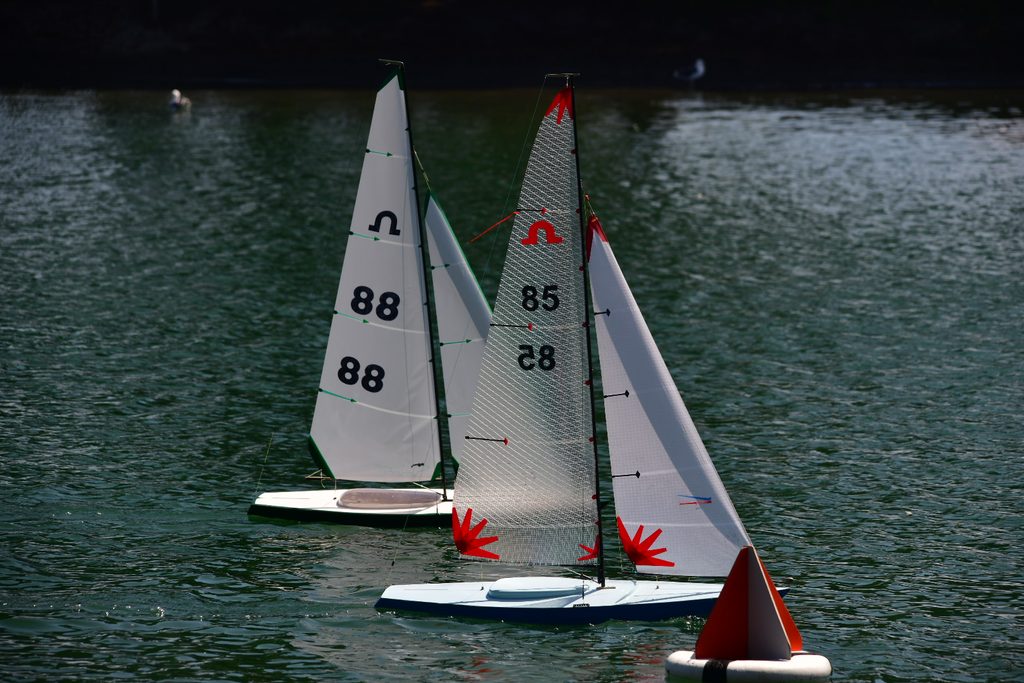
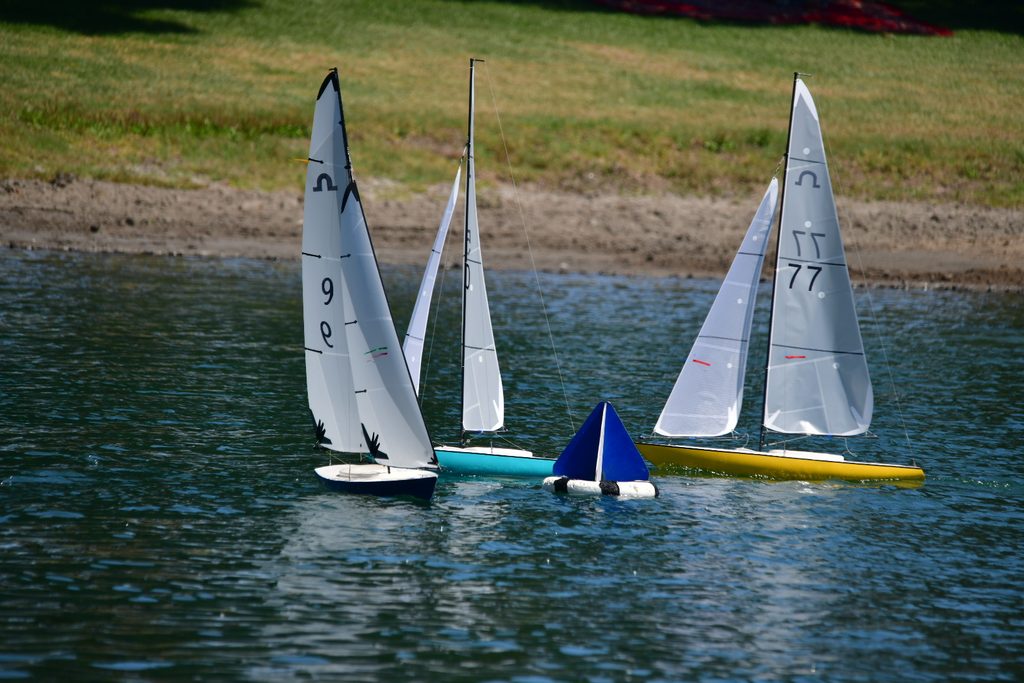
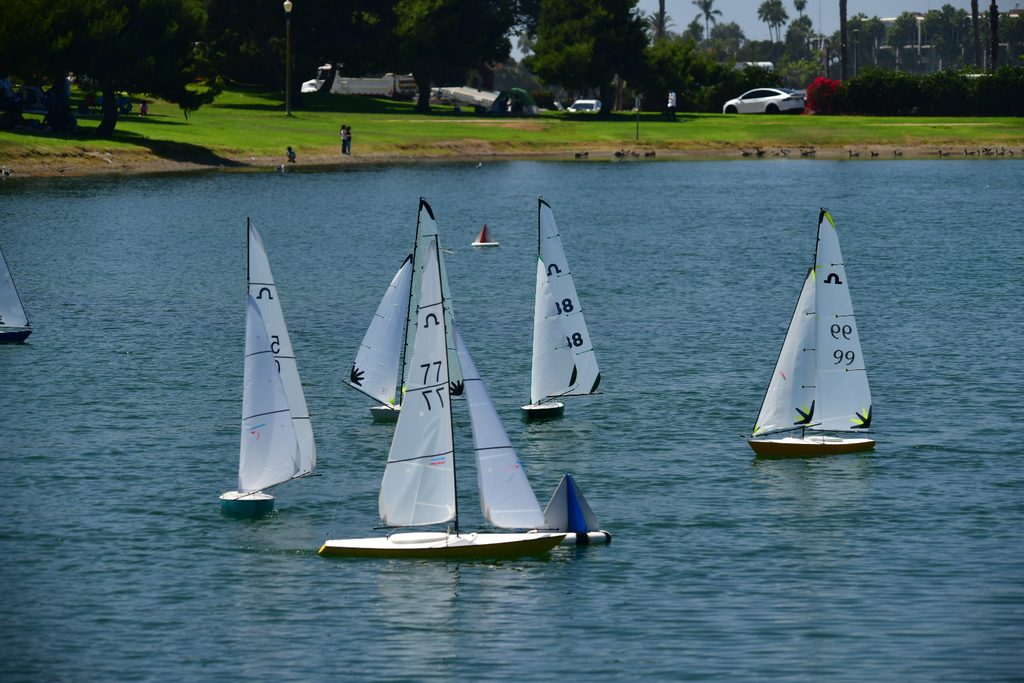
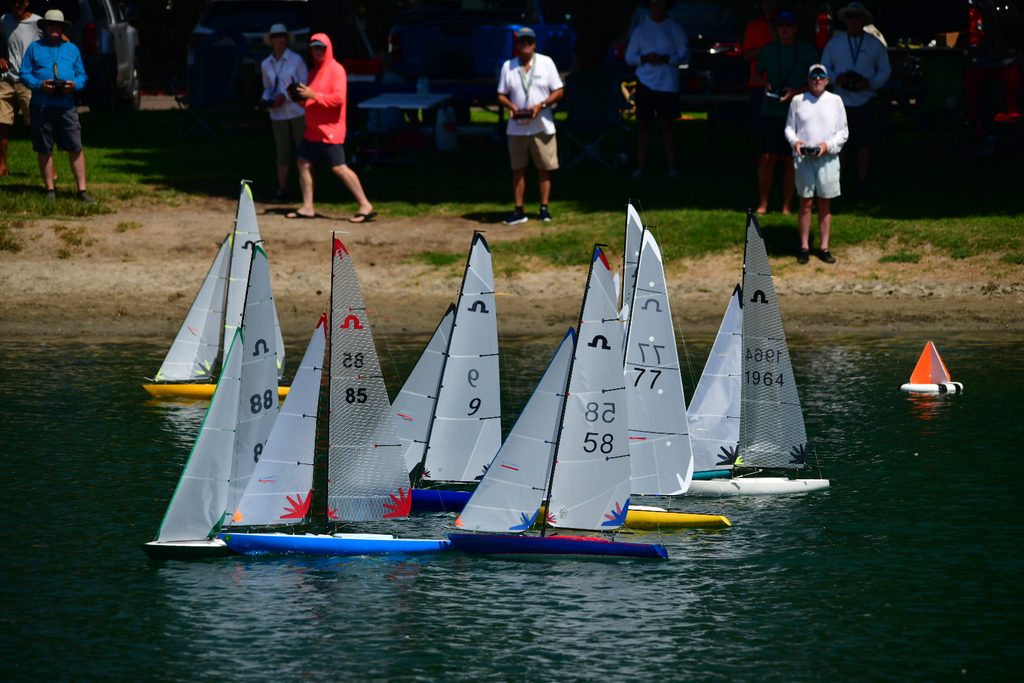
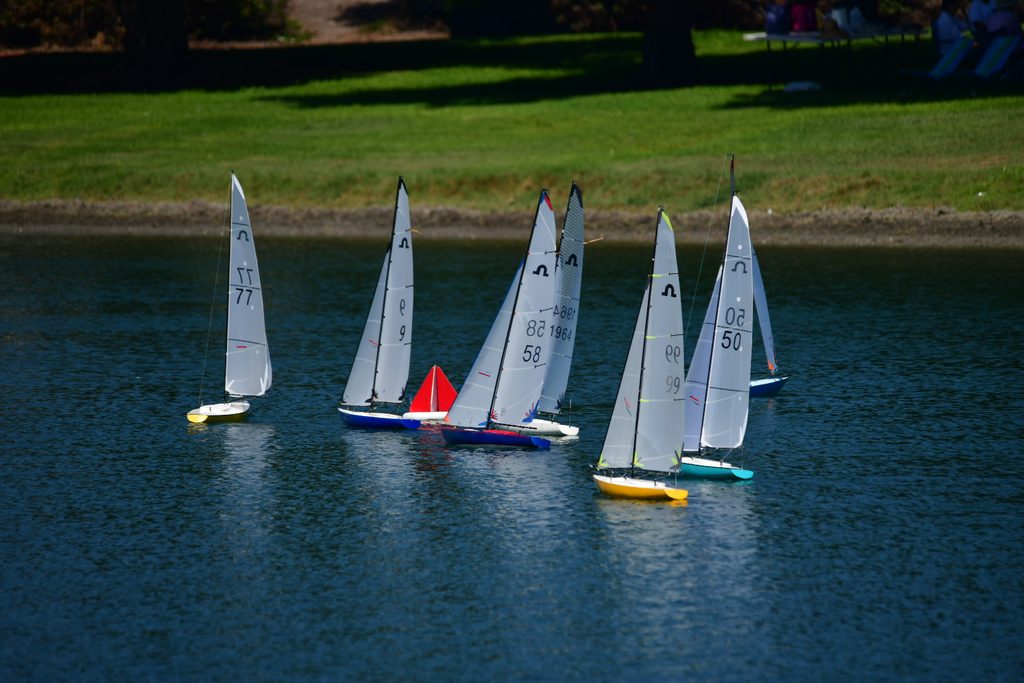
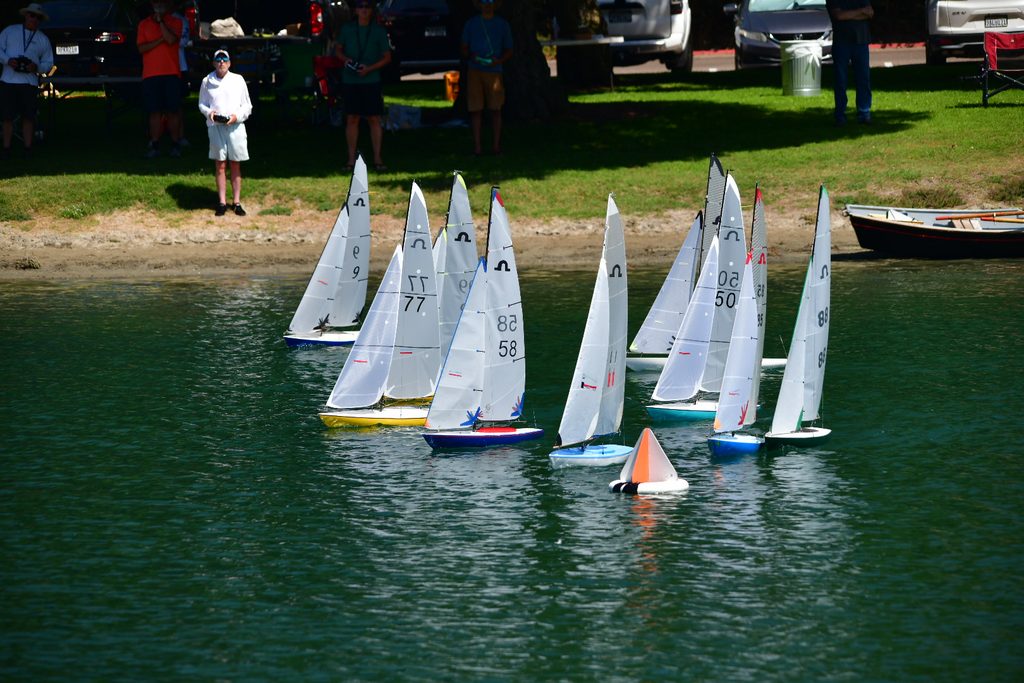
Fifteen boats came out today for the Chuck Black IOM Masters Regatta, honoring Chuck Black, one of the legends of our pond.
A nice breeze held for most of the day, with winds coming mostly from the west, southwest, and northwest. Temperatures in the 80–85°F range and a bit of humidity made it warmer than our usual pond conditions, but we completed 12 races.
Top Five Finishers
Jess Atkinson
Larry Grant
Kerim Baran
Dennis Rogers
Stephan Cohen
Thank you to all the sailors and volunteers who helped make the regatta possible, especially Ben Reeve and Kelly McConville for running the races.
In this episode of San Diego Argonauts Radio, Jess Atkinson talks with Brad Read, back-to-back 2025 and 2026 DF95 National Champion, about improving race performance, simplifying boat setup, and building a strong local fleet.
Brad’s first recommendation is time with the transmitter in your hands. Practicing mark roundings helps develop depth perception, judge laylines, and avoid crowded situations at the windward mark. He also discusses consistent rig settings, adjusting forestay tension, sailing with flatter sails as the breeze builds, and understanding sail twist.
The conversation covers how Newport’s radio sailing community grew during the pandemic and the value of having experienced sailors teach newer fleet members. Brad credits the Argonauts and Jon Rogers’ clinics as an example Newport has drawn from, emphasizing that helping others improve, and keeping racing fun, benefit the whole fleet. Jess and Brad also look ahead to the 2027 DF95 National Championship in San Diego.
Dan Schreier closes the episode with a Region 6 update, including the IOM regional championship and DF95 Nationals in Texas, parts availability, and ways clubs and individual sailors can help grow radio sailing through the AMYA.
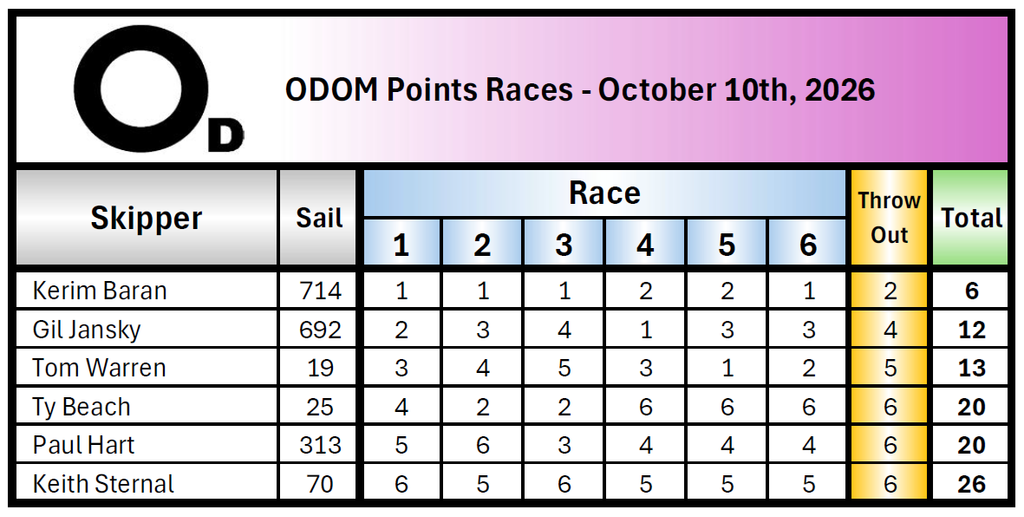
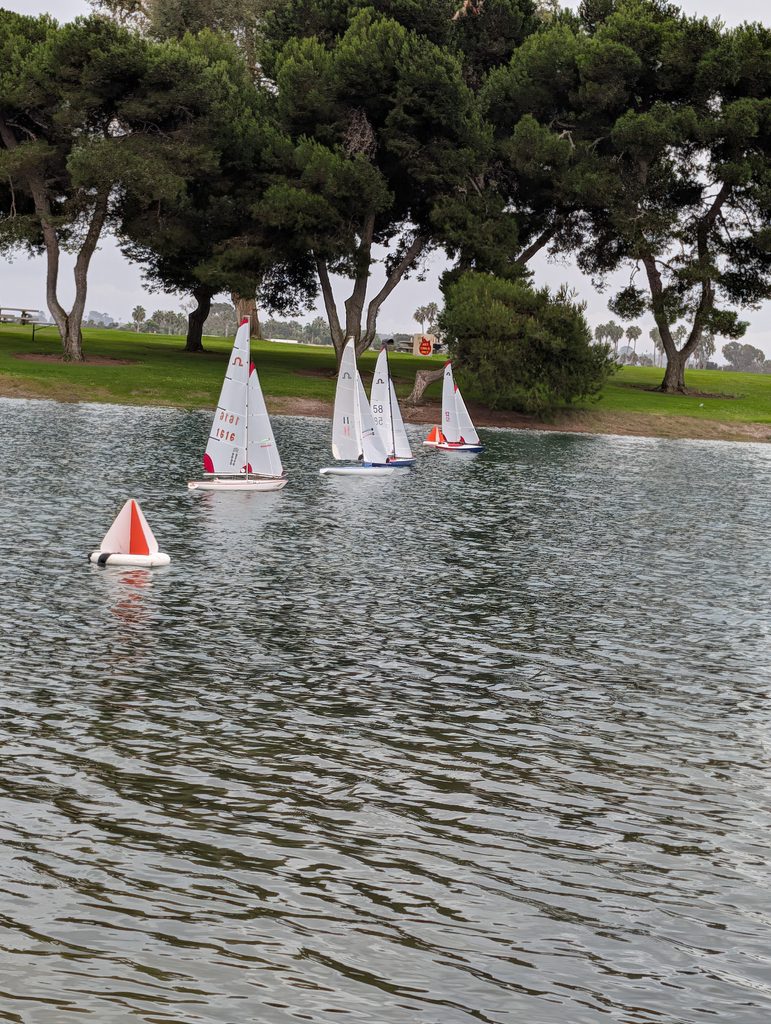
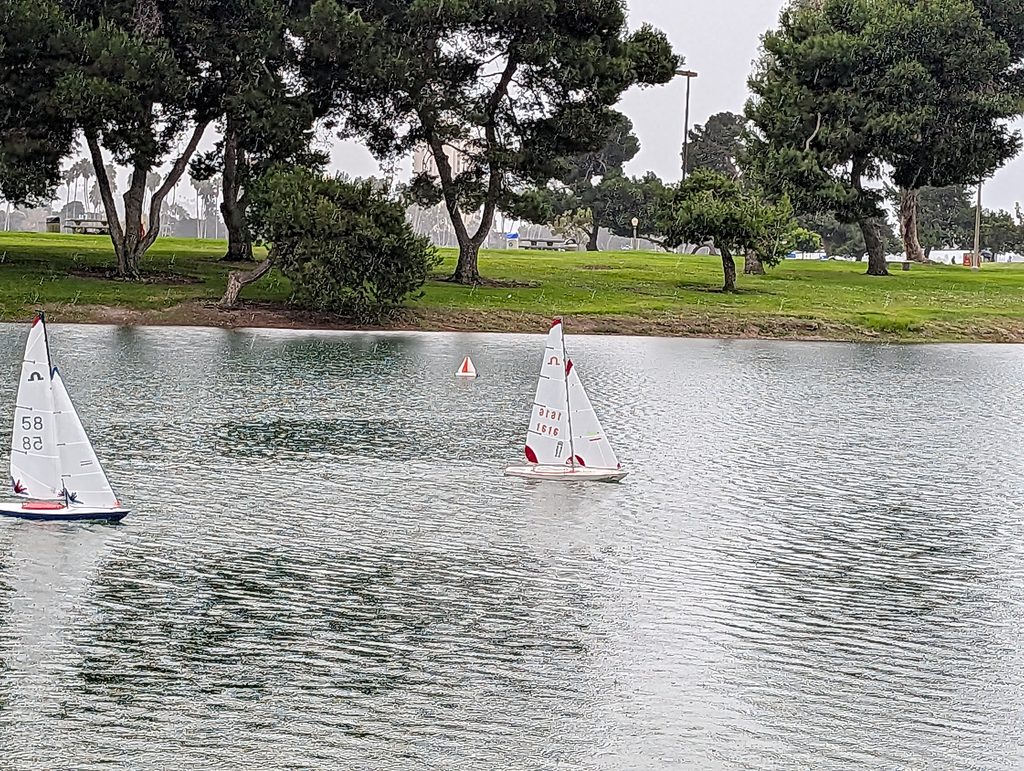
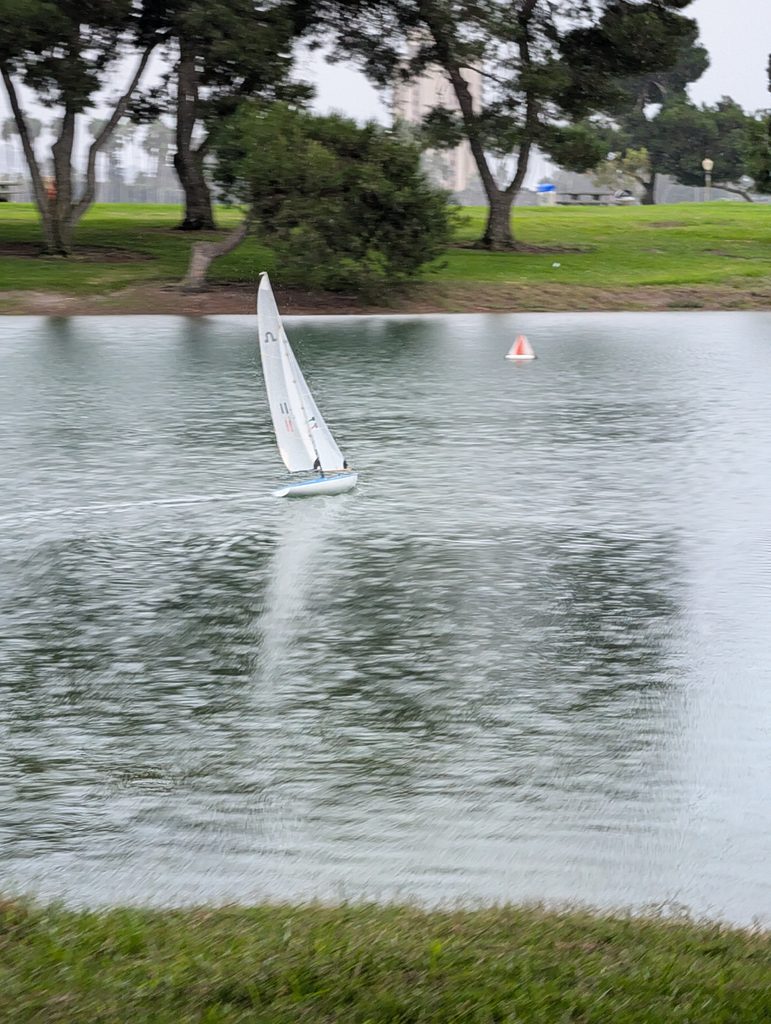
Saturday’s points racing brought some of the craziest conditions we’ve seen at the Model Boat Basin. San Diego’s tropical rainstorms delivered a repeating pattern of rain, a break, and then more rain… and the pond was the highest many of us had ever seen it!
We raced Solings first, followed by ODOMs, with the wind seemingly coming from all four corners of the pond. One moment, there was absolutely zero wind. The next, a pleasant 2–5-knot breeze would arrive from a completely unexpected direction. Predictable? Hardly. Challenging? Definitely. Fun? Absolutely!
We tried different course directions to make the most of the conditions, alternating between our usual short course and the reverse direction. But the wind kept rewriting the plan. In many races, boats were sailing wing-on-wing on the supposed “upwind” leg, then beating upwind on the “downwind” leg!
It was a day that rewarded patience, close attention, and a willingness to adapt. Sailors who played the shifts well (and kept watching for the next surprise) benefited. A promising position could disappear in a lull, while a fresh breeze from another corner could turn the fleet’s fortunes around.
Thanks to everyone who came out and embraced the rain, the shifts, and the occasional complete standstill. Tough conditions made for some wonderfully weird racing and plenty to talk about afterward!
Video courtesy of Gil Jansky; photos from Kerim Baran.
Taking your radio-controlled sailboat to an out-of-town regatta is a great way to meet fellow sailors, experience different conditions, and sharpen your racing skills. But how do you get your boat, rigs, and equipment there, and arrive ready to race?
In this episode of San Diego Argonauts Radio, Commodore Jess Atkinson shares his approach to packing a competition-ready travel kit, drawing on his experience traveling with IOMs and DF95s.
Jess walks listeners through his travel setup, including a hard case with wheels, fitted foam to secure the hull and components, and a protected tube for the keel bulb. He also explains how clear containers help keep tools and spare parts organized and visible during inspection.
For his IOM rigs, Jess describes a separate rig box packed inside a padded surfboard bag. His DF95 setup fits the boat and rigs into one case, with careful attention to the space needed to protect everything.
The central lesson: choose a case that fits your equipment, secure every component, and plan for the knocks that can come with travel.
Pack Spares and Prepare Them Before You Leave
A well-packed boat is only part of being ready. Jess emphasizes carrying a practical selection of tools, repair materials, and spare parts so a small equipment failure doesn’t cost you the next start.
Among his suggestions:
Spare receivers already bound to your transmitter
Spare rudder servos and prepared replacement winches
A spare rudder and patches for hull or fin damage
Essential hand tools, including Allen wrenches, screwdrivers, and needle-nose pliers
Rigs for the conditions you may encounter, including a C rig when needed
A luggage tracker, a useful suggestion from fellow sailor Larry Grant
Jess also recommends practicing rig changes and equipment replacements at home. Knowing how to make a repair quickly can make all the difference between heats.
Travel to Learn and Keep Racing
The episode opens with reflections on Jess’s recent US One Meter regatta in Sacramento, where sailors raced with B rigs on Saturday and A rigs on Sunday.
Different venues bring different challenges, and Jess encourages sailors to embrace the learning opportunity. In shifty conditions, his advice is simple: keep working forward, one boat at a time. A series of small gains can bring you back into the race.
September Points Racing
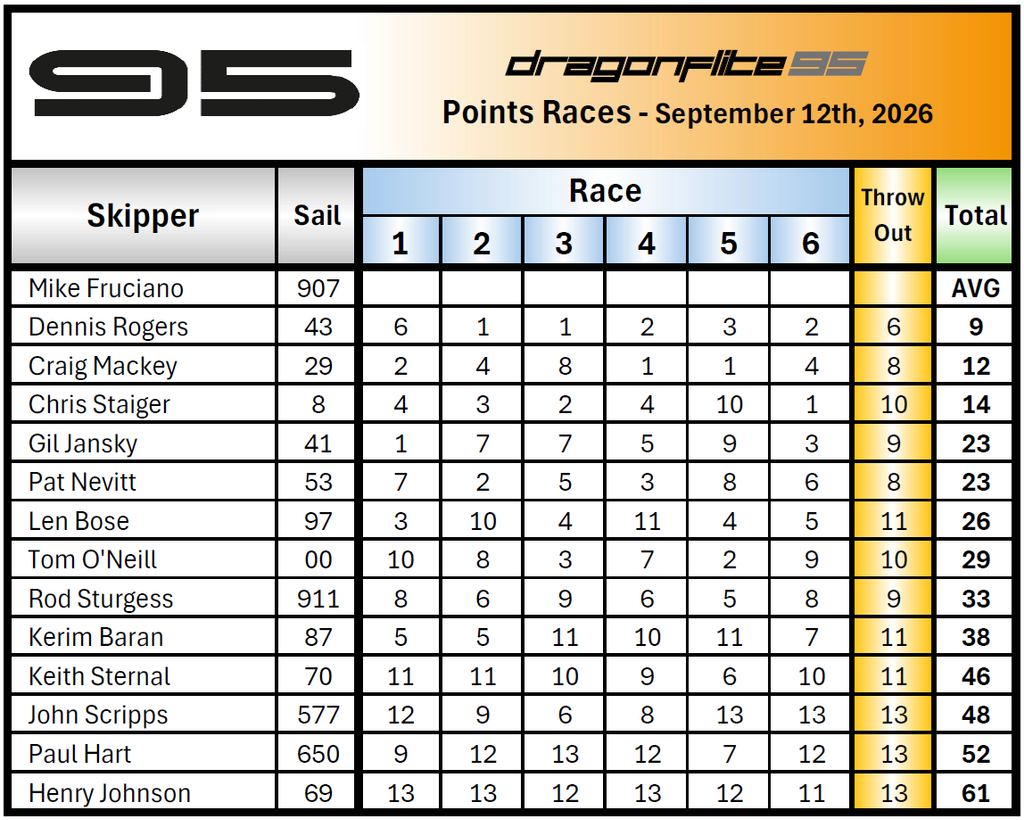
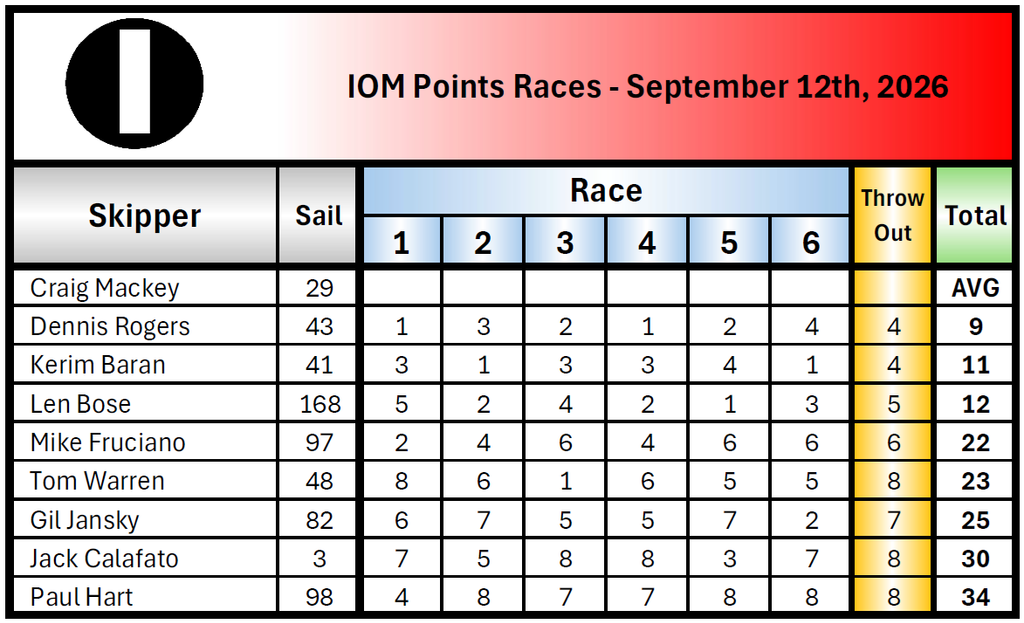
Jess wraps up with September DF95 and IOM results from Mission Bay. Dennis Rogers won both fleets, with Craig Mackie and Chris Staiger completing the DF95 top three, and Kerim Baran and Len Bose taking second and third in the IOM fleet.
Thanks also to Steve Ross for filming the points racing and making it available on the Mission Bay Pond YouTube channel—a valuable resource for reviewing the action and learning from each race.
What makes a day at the pond special? Competitive sailing, a beautiful setting, and… perhaps most of all, the people.
In this episode of San Diego Argonauts Radio, Commodore Jess Atkinson takes listeners pondside at the Soling 50 National Class Championship Regatta, sharing highlights from the racing and conversations with the sailors, volunteers, and spectators who make our club such a welcoming community.
Serving as Principal Race Officer, Jess helped oversee 26 races with a nine-boat fleet, supported by good breeze, a full pond, and plenty of camaraderie. Three visiting sailors from (North Bay Radio Sailing in San Rafael: Jim Wondolleck, Gene Harris, and George Pedrick) made the trip south, bringing a third of the fleet.
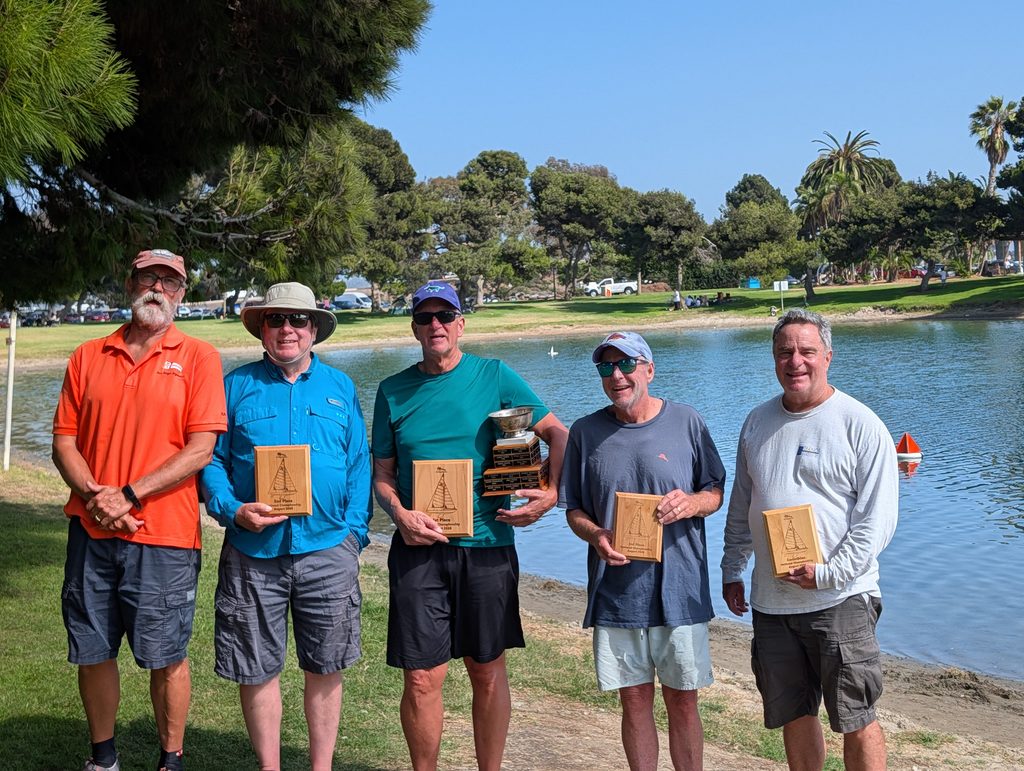
Congratulations to the top three finishers:
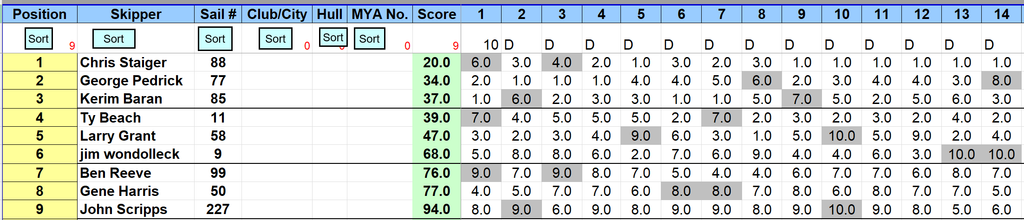
1st: Chris Staiger, earning his fifth Soling 50 national championship
2nd: George Pedrick
3rd: Ty Beach
Jess also recognizes the people who made the event possible: class secretary Ben Reeve, who handled the organizing; Kelly McCormick, who assisted with race management and scoring; Jason Brooks and Gil Jansky, who helped monitor the racing; and Pat Nevitt and Steve Ross, who filmed the action.
Voices from the Pond
Between races, Jess turns the microphone toward the shore for a few informal conversations.
Longtime member Kim Robbins shares the spectator’s perspective, complete with friendly commentary from the pond’s “peanut gallery.” Bob Williams, known for his much-appreciated “pond dogs,” and other familiar faces weigh in on the pleasures of good racing, good company, and a shady spot to watch it all.
New member Charman French talks about getting her DF95, Mermaid, assembled and sailing with help from fellow Argonauts. Her story is a wonderful reminder of how much a welcoming club can help someone get started, from rigging and tuning to building confidence on the water.
More Club News
The episode also includes a recap of recent ODOM and Soling 50 points racing, a visit from local police officers who tried their hands at radio sailing, and an introduction to the club’s growing MiniMax school STEM initiative, led by Kerim Baran and Jeff Sparksworthy.
Whether you come to race, learn, volunteer, or simply enjoy the view, there’s a place for you at the pond.
Our original vision centered on the RoboBuoy Challenge: inviting students to design and build remotely operated or autonomous robotic racing buoys that could position themselves on the water, hold their location, and potentially reshape a racecourse between races.
That vision is still very much alive, however, after conversations with local educators, students, and fellow model boating enthusiasts, we realized that there was an important first step we could take.
Before students build the racecourse of the future, why not help them build the boats that will race around it?
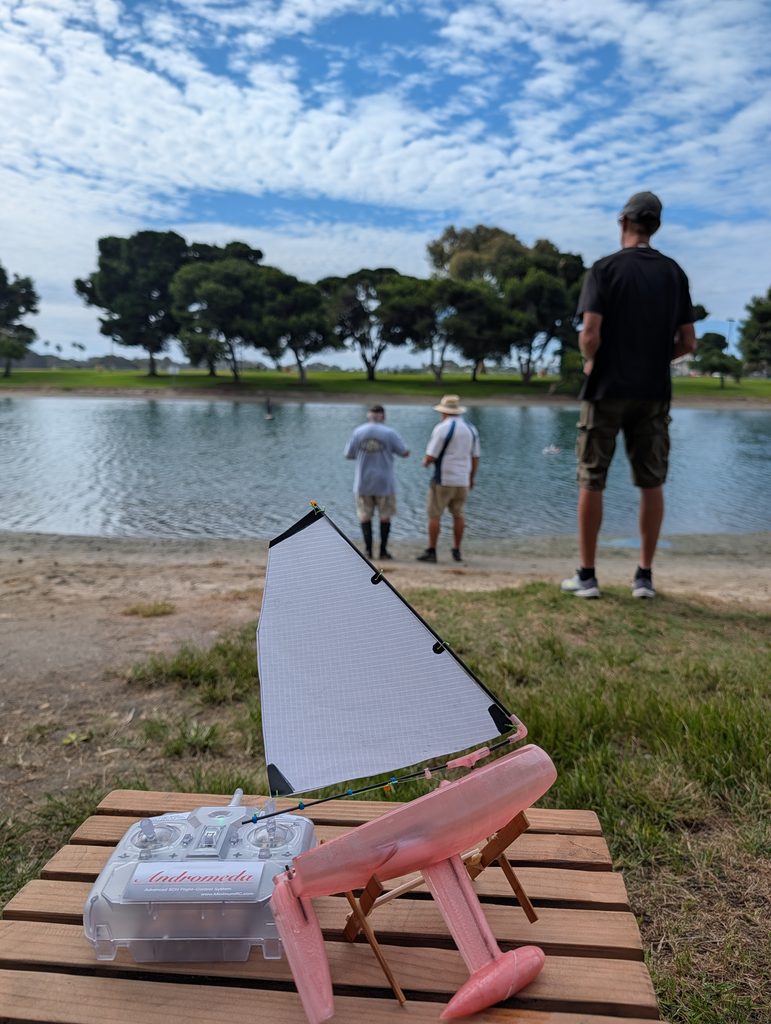
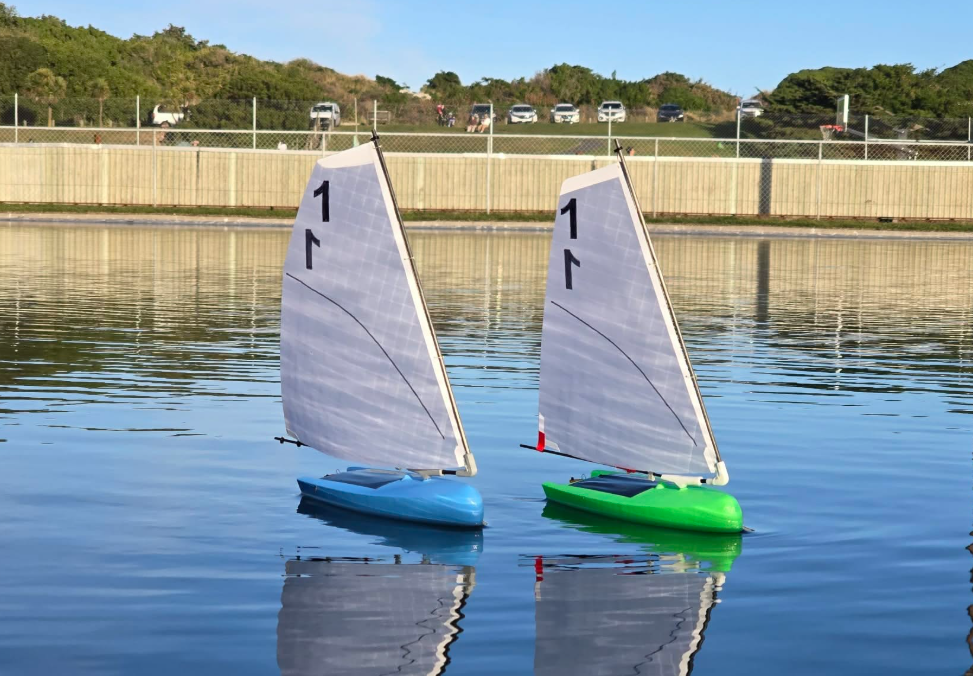
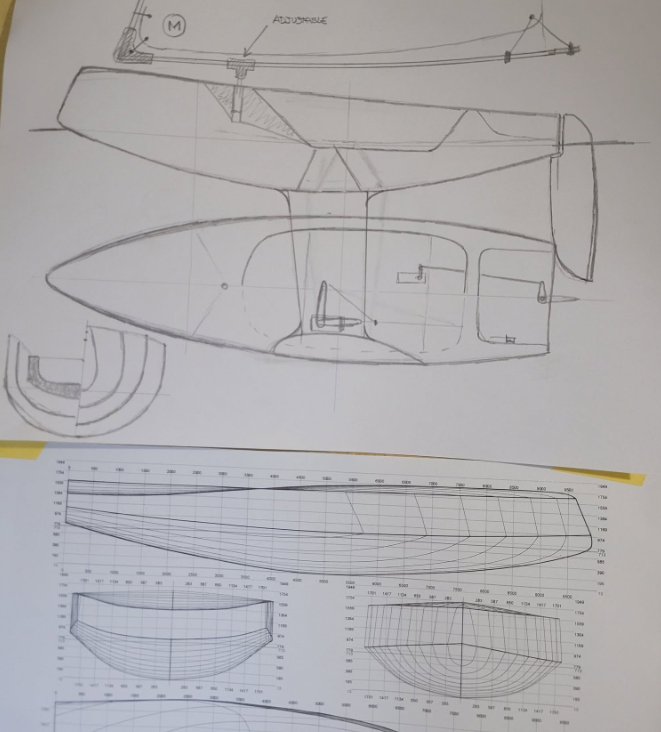
At approximately 22 centimeters long and only about 120 grams when ready to sail, the MiniMax may be tiny, but it is a real sailboat. It has an adjustable mainsail and jib, separate rudder and sail controls, and enough performance to support both recreational sailing and organized fleet racing.
Most importantly for our purposes, it offers students an approachable and affordable introduction to:
3D printing and digital manufacturing
Electronics and radio-control systems
Mechanical assembly
Materials and waterproofing
Buoyancy, balance and stability
Aerodynamics and hydrodynamics
Sail design and tuning
Troubleshooting and iterative engineering
Teamwork, sportsmanship and racing strategy
From One Prototype to a School-Built Fleet
Our initial goal was simple: print one MiniMax, build it, sail it, and learn everything we could.
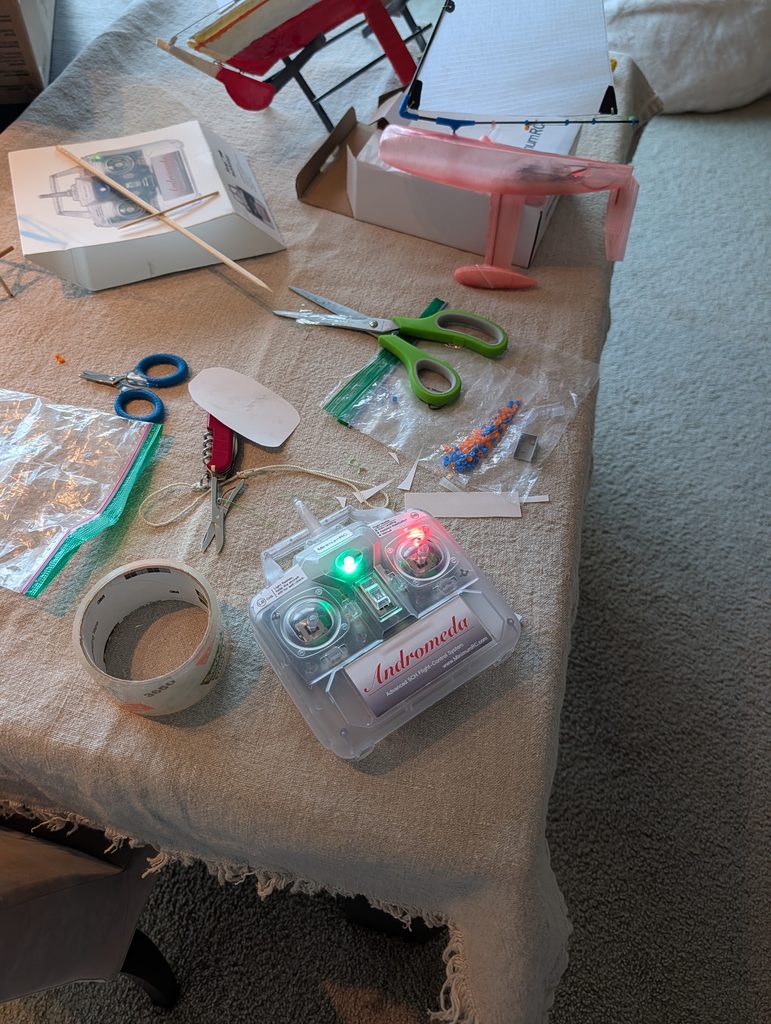
That first prototype has now been completed and successfully sailed. Along the way, we worked through the kinds of real-world challenges that make projects like this so valuable: selecting lightweight electronics, configuring the transmitter and receiver, reversing servo direction, fitting extremely small components, rigging the sails, sealing the hull, and testing the completed boat on the water.
Each challenge became part of the learning experience, and part of the knowledge we can pass along to students and future builders.
The first San Diego MiniMax taking shape—complete with radio equipment, rigging materials and plenty of hands-on problem-solving.
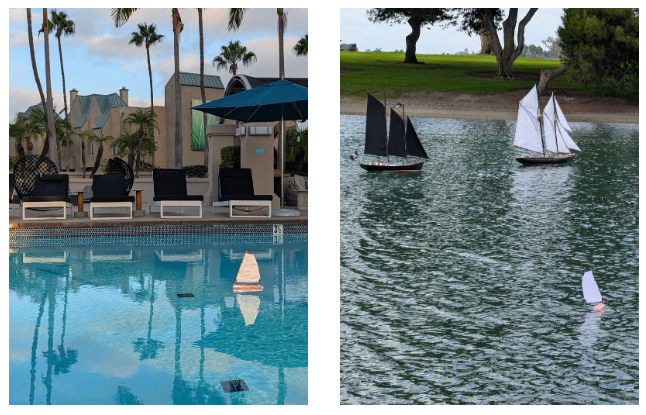
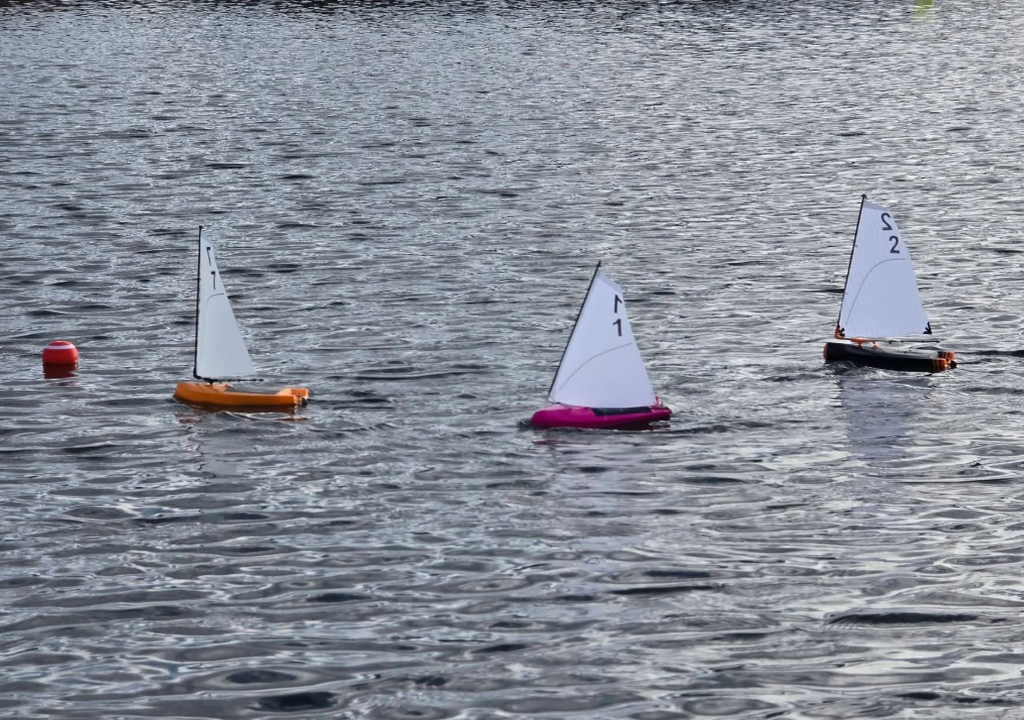
The MiniMax has already proven that it can sail alongside vessels many times its size. During one of its first outings at the Model Yacht Pond, our little pink prototype shared the water with two beautifully detailed scale schooners, a fitting image of the extraordinary range of model boating.
Small boat, big pond: our first MiniMax sails alongside two large-scale schooners.
Now Working with Two San Diego Schools
The initiative has quickly progressed beyond a single experimental boat. The San Diego Argonauts are now actively engaged with educators at two local San Diego schools to explore how MiniMax construction, sailing, and racing can become part of a practical STEM and robotics experience.
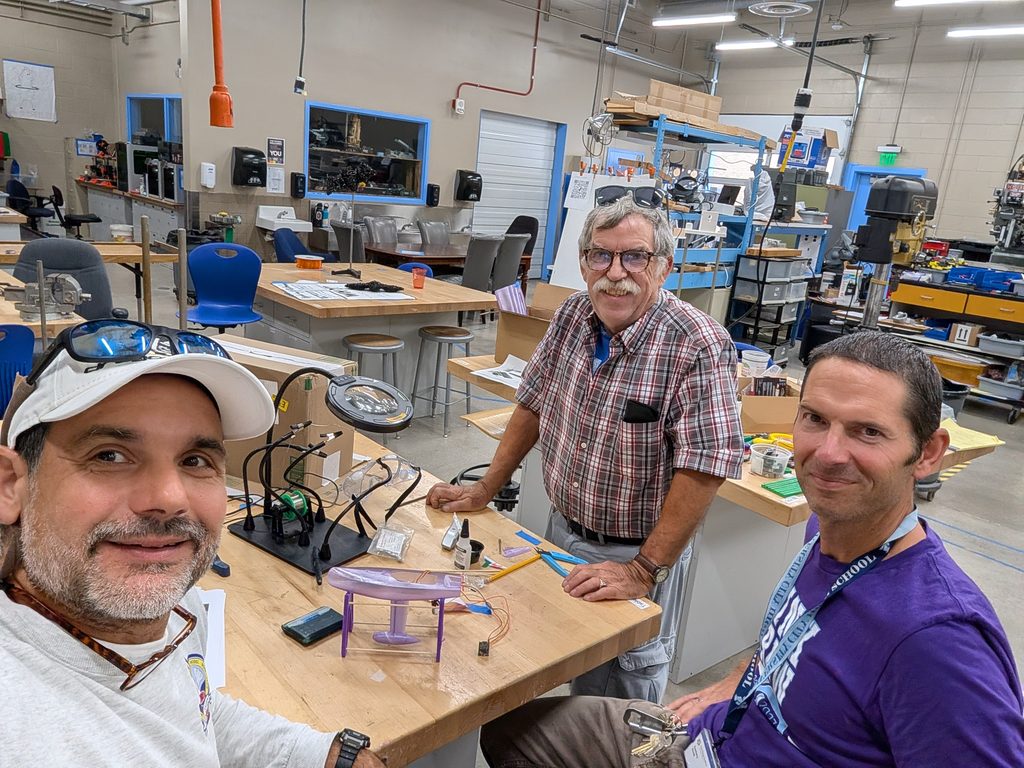
At University City High School, we have been working with engineering and robotics teacher Zach Scott, using the school’s impressive fabrication facilities to print and begin assembling the next boats.
Jeff Sparksworthy and Kerim Baran from San Diego Argonauts with UCHS engineering and robotics teacher Zach Scott during a recent MiniMax work session.
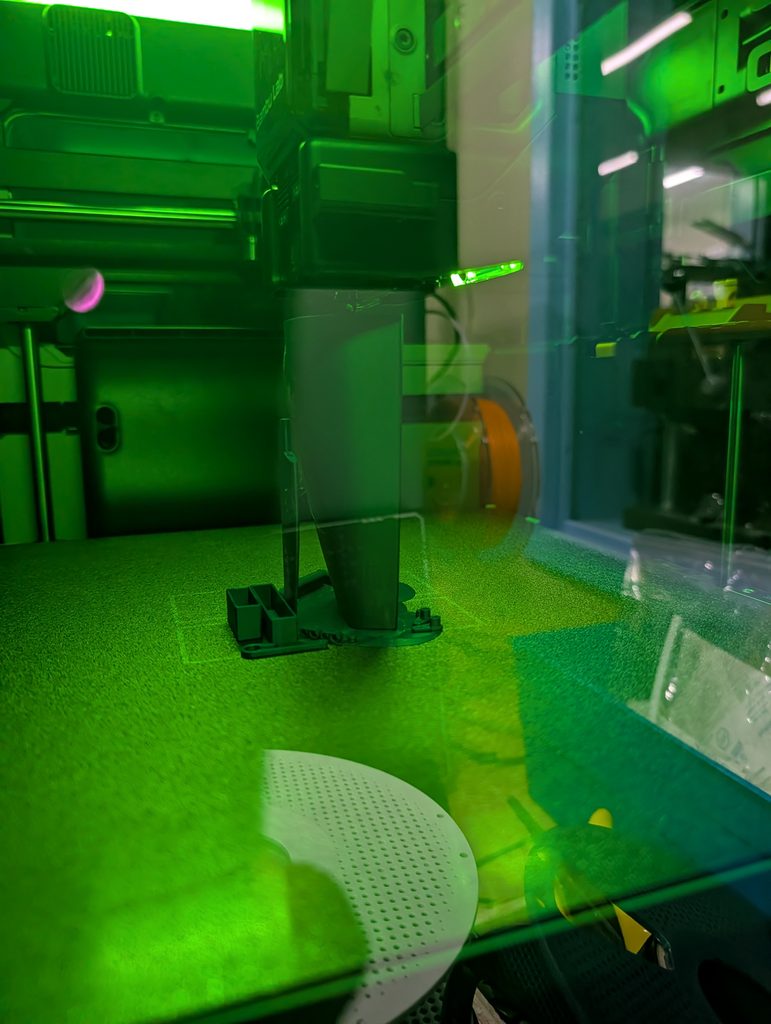
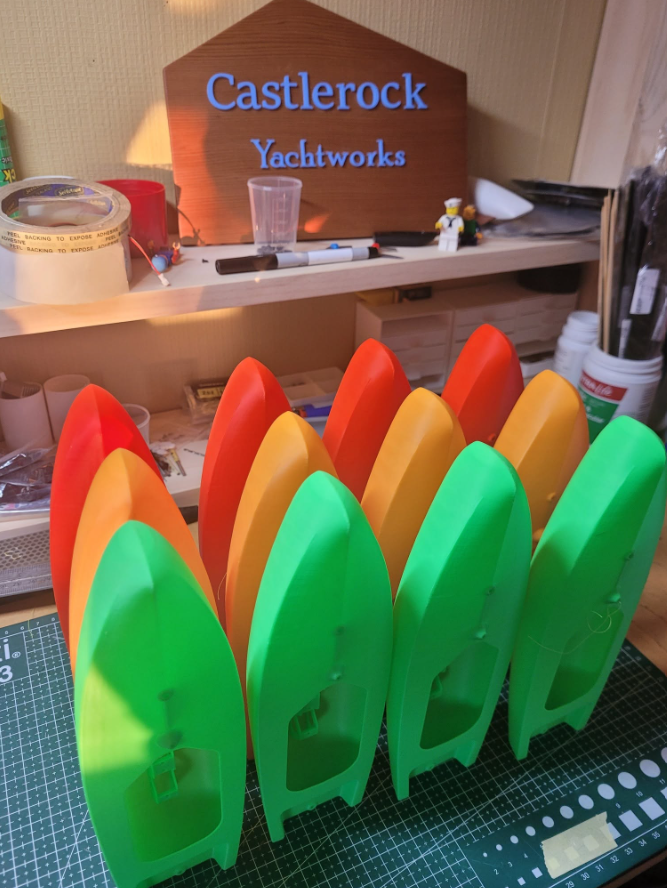
The process begins with digital design files and rolls of filament. Hulls, keels, rudders, boat stands, and numerous small fittings emerge from the school’s 3D printers and are then cleaned, fitted, assembled, and tested.
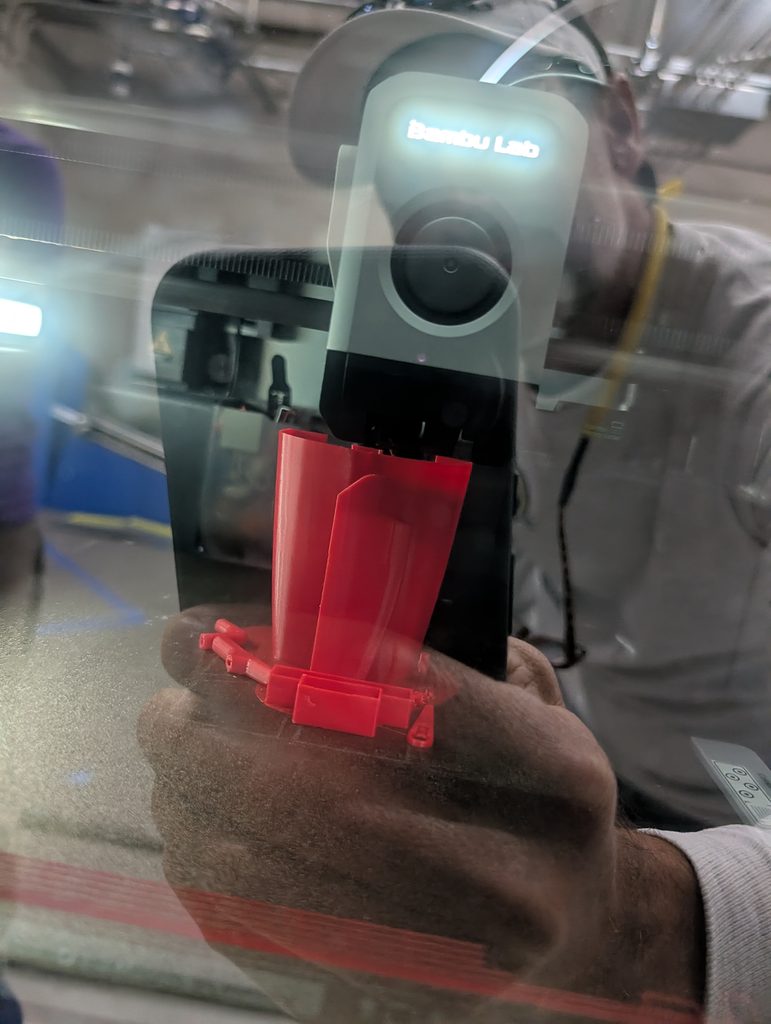
MiniMax components being produced on a school 3D printer
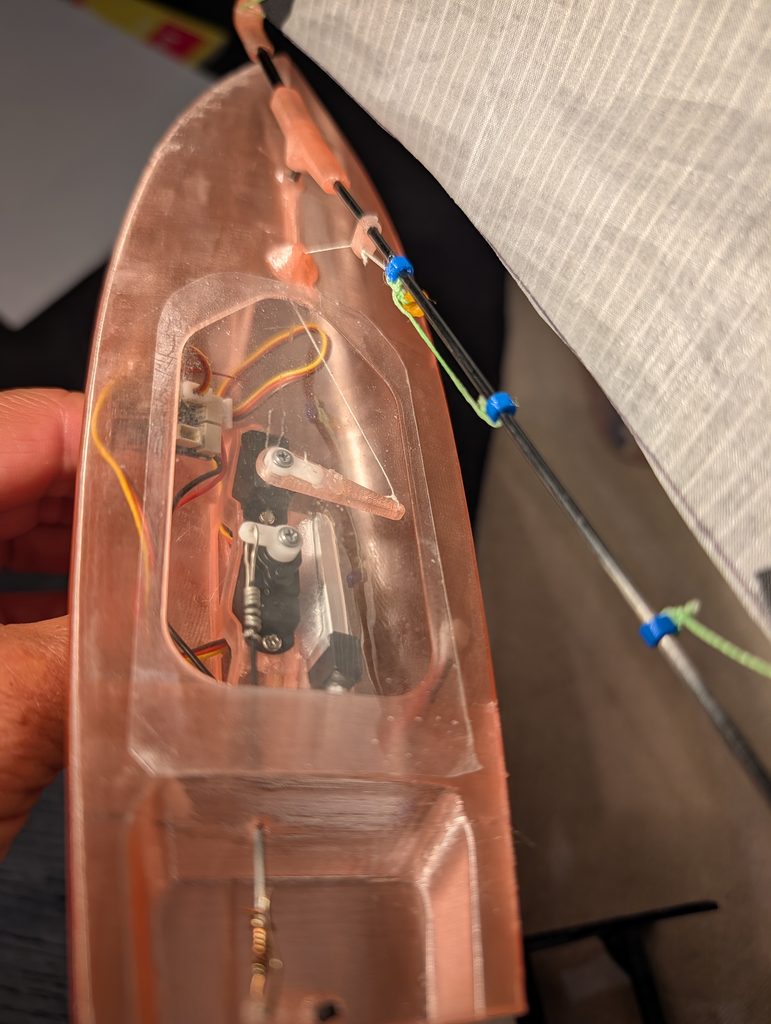
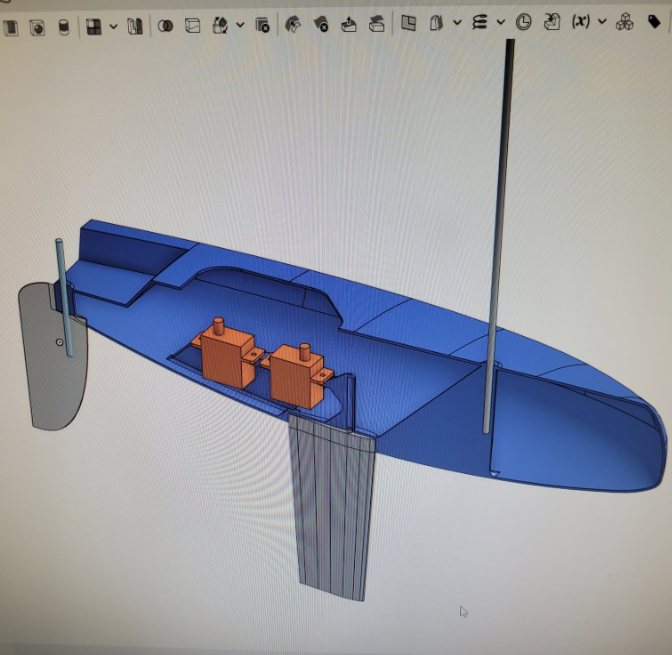
From there, we install the radio receiver, two tiny servos, and the linkages that control the rudder and sails.
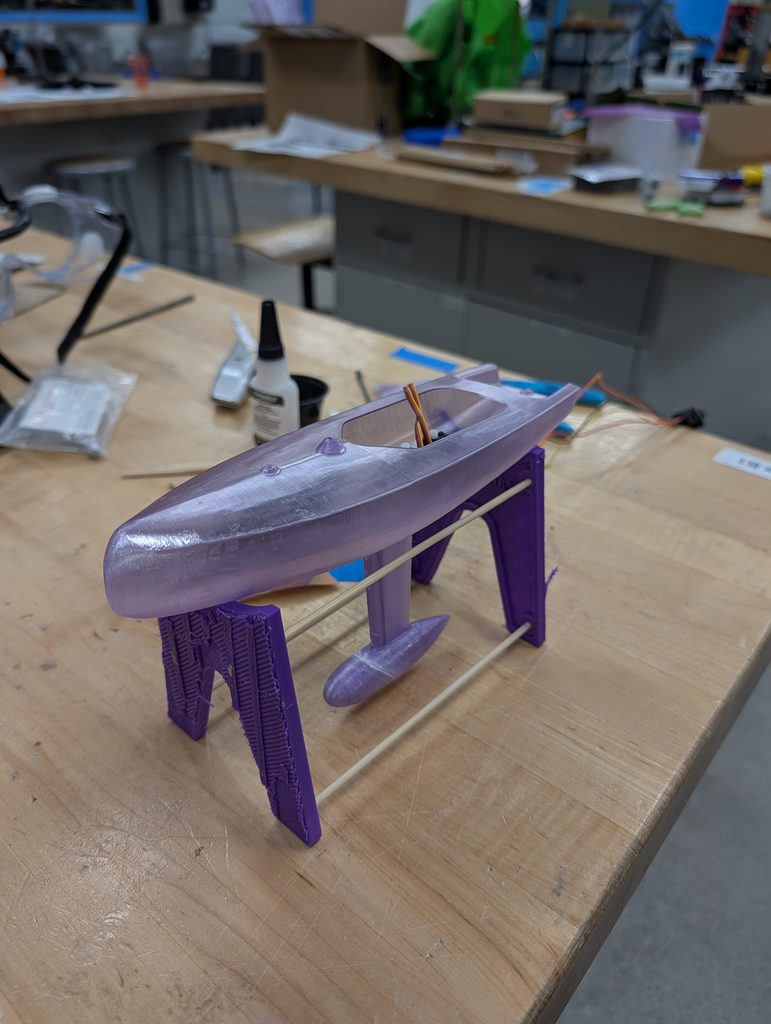
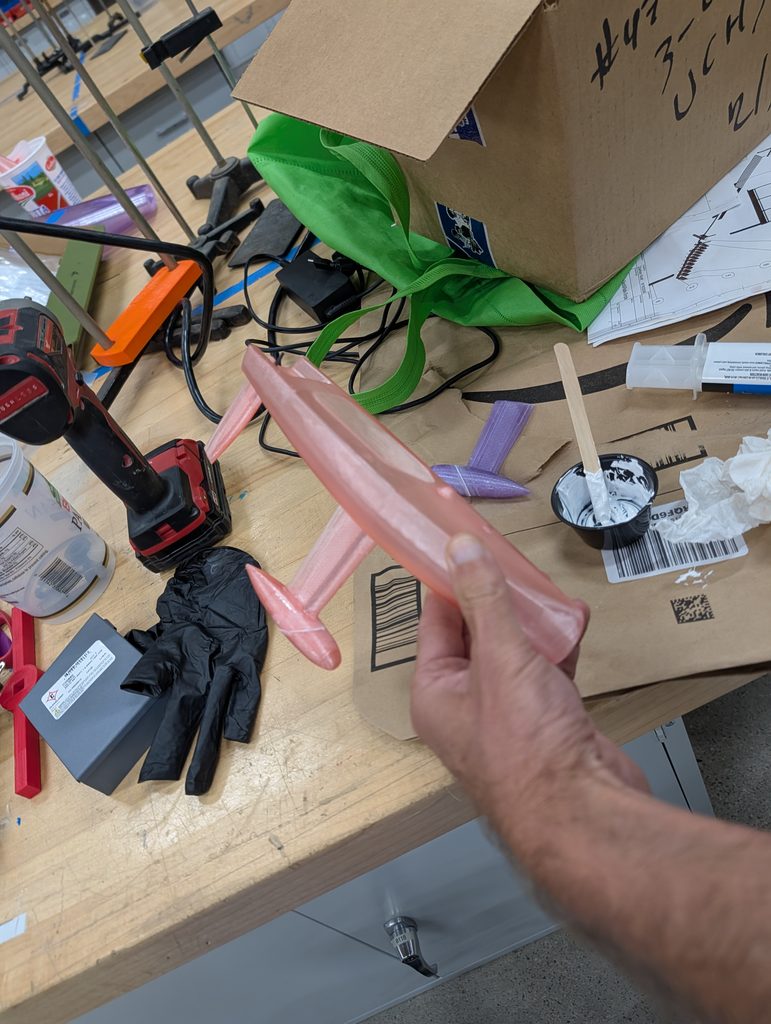
A newly printed MiniMax hull and stand during the early stages of assembly.
The transparent hull provides a clear view of the MiniMax’s compact radio receiver, rudder servo, sail servo, and control linkages.
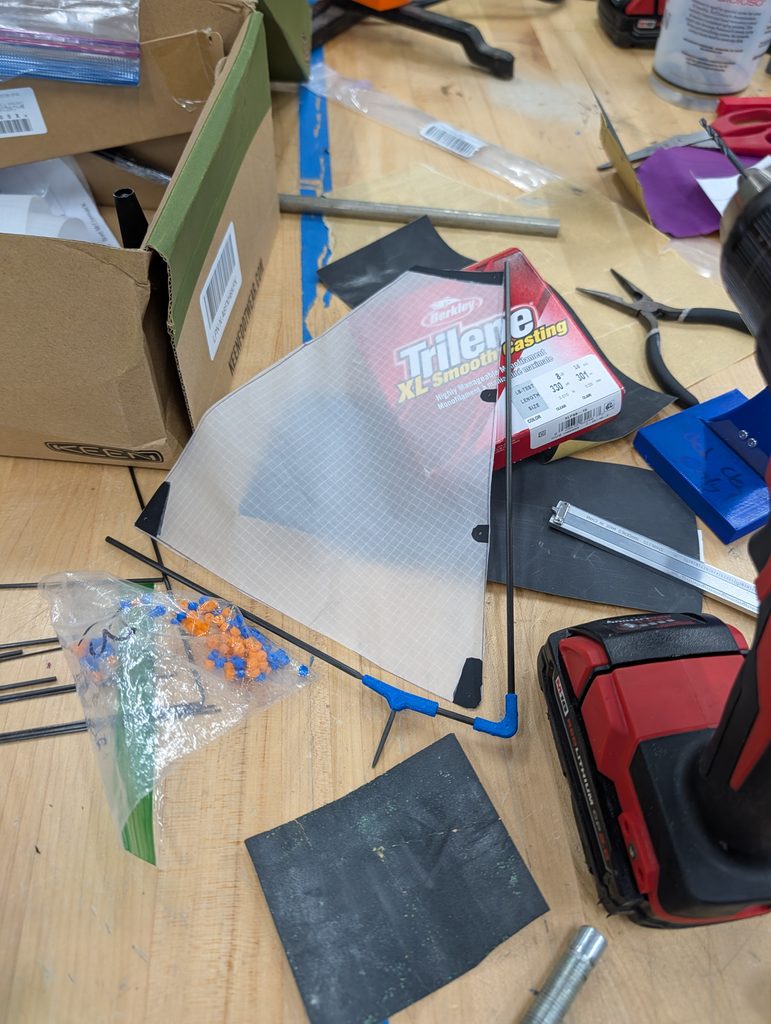
The sail and rigging system introduce an entirely different set of skills. Students work with carbon-fiber rods, lightweight sail material, small fittings, and carefully measured lines to create an adjustable sailing rig.
Constructing a MiniMax sail and rig from lightweight materials and 3D-printed fittings.
A freshly printed MiniMax hull and keel assembly during preparation and finishing.
The Program We Are Developing
The current concept is for students to work in small (2-3 person) teams, with each team responsible for building and preparing its own boat.
The program would progress through several practical stages:
Understand the boat — Learn the basic parts of a sailboat and how wind creates motion.
Print the components — Explore 3D-printing methods, materials, tolerances, and quality control.
Build the hull and appendages — Assemble, seal and test the hull, keel and rudder.
Install the electronics — Connect the receiver and servos and configure the radio system.
Build and tune the rig — Make the sails, assemble the spars and adjust the control lines.
Test and improve — Conduct flotation and sailing trials, diagnose problems, and make modifications.
Learn to sail — Practice steering, sail control, starts, mark rounding, and basic racing rules.
Race as a fleet — Conclude the program with an organized MiniMax regatta at the San Diego Model Yacht Pond.
Our working objective is to help students build a fleet of approximately 15 to 20 boats—enough for multiple teams to sail and compete together.
The final regatta will not simply be a race. It will be the culmination of an engineering process in which students see something move from a digital file to a collection of printed parts to a functioning vessel they can control on the water.
Learning from the MiniMax Creator
We also recently recorded an in-depth conversation with MiniMax creator Brett McCormack. Brett explained the history of the boat, the thinking behind its design, how it is built and sailed, and how he hopes it can introduce more young people to model sailing.
This interview, and the lessons emerging from our local pilot, will help us develop clearer build instructions, teaching resources, and practical guidance for schools and model yacht clubs interested in creating similar programs.
Phase Two: Bringing Back the RoboBuoys and Much More
The MiniMax fleet is our immediate focus, but it is not the end of the journey.
Once students have gained experience building, controlling, and racing these boats, a likely second phase (perhaps beginning next semester) will return to the original RoboBuoy concept.
Students could design and construct remotely operated or autonomous racing marks capable of propulsion, station keeping and course positioning. More advanced teams could explore GPS, sensors, microcontrollers, cameras, wireless communication and autonomous navigation.
The program could then expand beyond identical MiniMax sailboats into modified and increasingly sophisticated marine vessels of many kinds, including:
Autonomous and remotely operated RoboBuoys
Sensor-equipped research boats
Rescue and recovery vessels
Camera and environmental-monitoring platforms
Experimental sailboats
Tugboats and workboats
Submarines and underwater vehicles
Hydrofoils and other high-performance designs
The MiniMax provides an ideal starting point: a manageable project that students can complete, sail, and race while developing the skills needed to tackle more ambitious marine-robotics challenges.
Building Something Other Communities Can Use
The San Diego Argonauts are developing this program in collaboration with local educators and students. The experience gained through these first school partnerships will help us identify what works, what needs improvement, and what resources teachers and volunteers need.
Our longer-term goal is to make the resulting knowledge useful well beyond San Diego. We hope that other schools, robotics programs, makerspaces, sailing schools & clubs, and (model) yacht clubs will be able to adapt the concept and build fleets of their own.
There is much more work ahead… but the project has already traveled a remarkable distance in a short time: from an idea for robotic buoys, to the first 3D-printed prototype, to active collaboration with two local schools and the beginnings of a student-built racing fleet.
And soon, if all goes according to plan, a collection of tiny sailboats will line up together on the San Diego Model Yacht Pond, with students holding the transmitters.
Want to Help?
We welcome participation from:
Teachers and school administrators
High-school and college students
Robotics teams and engineering clubs
3D-printing and fabrication specialists
Sailors and model-boat builders
Electronics suppliers and hobby shops
Corporate and community sponsors
Volunteers interested in mentoring young people
If you would like to participate, support the program, or explore bringing it to your school or club, please contact the San Diego Argonauts.
Together, we can introduce a new generation to engineering, robotics, sailing, other marine vessels, and the remarkable possibilities that emerge when all three meet on the water.
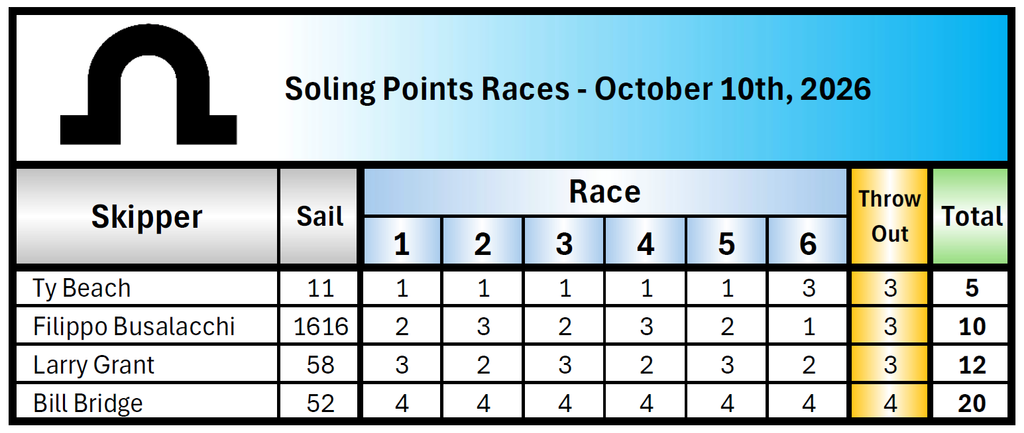
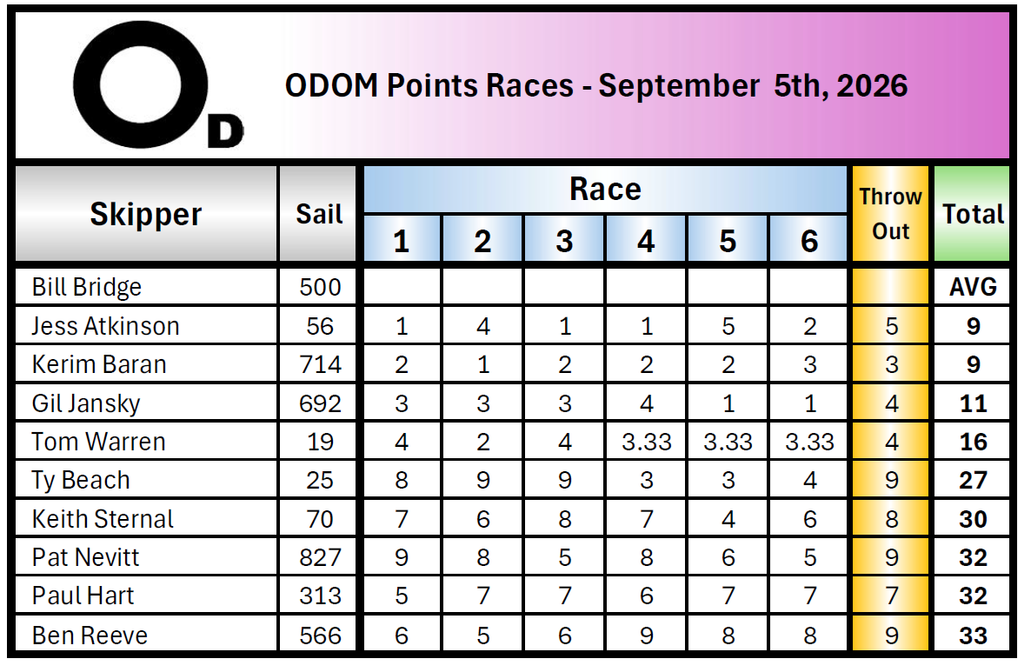
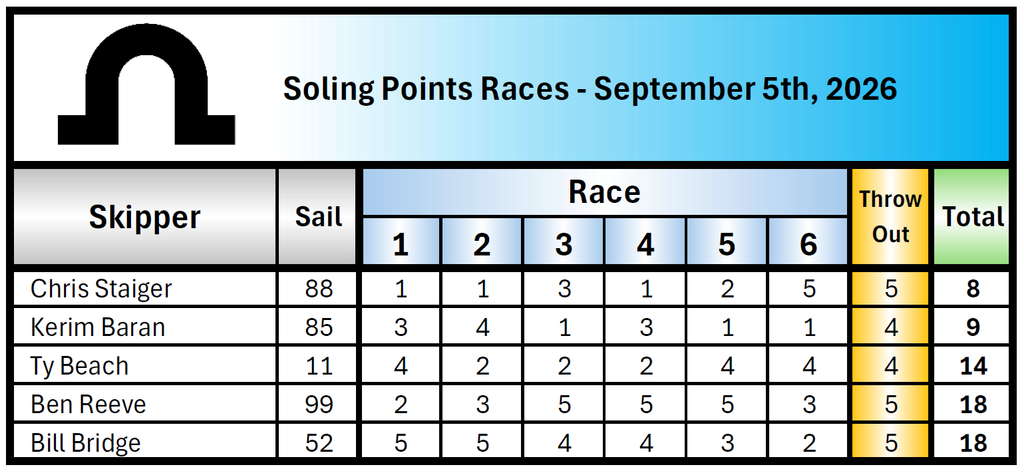
Saturday, September 5, brought another lively day to the Model Yacht Pond, with our ODOM and Soling 50 fleets taking center stage for the weekend’s Points Regatta.
The racing was competitive, spirited, and fun. Thank you to everyone who raced, helped manage the course, kept score, launched and retrieved boats, and contributed to another successful afternoon at the pond.
You can view the race results here:
Some Unexpected Visitors
The pond has a way of attracting people.
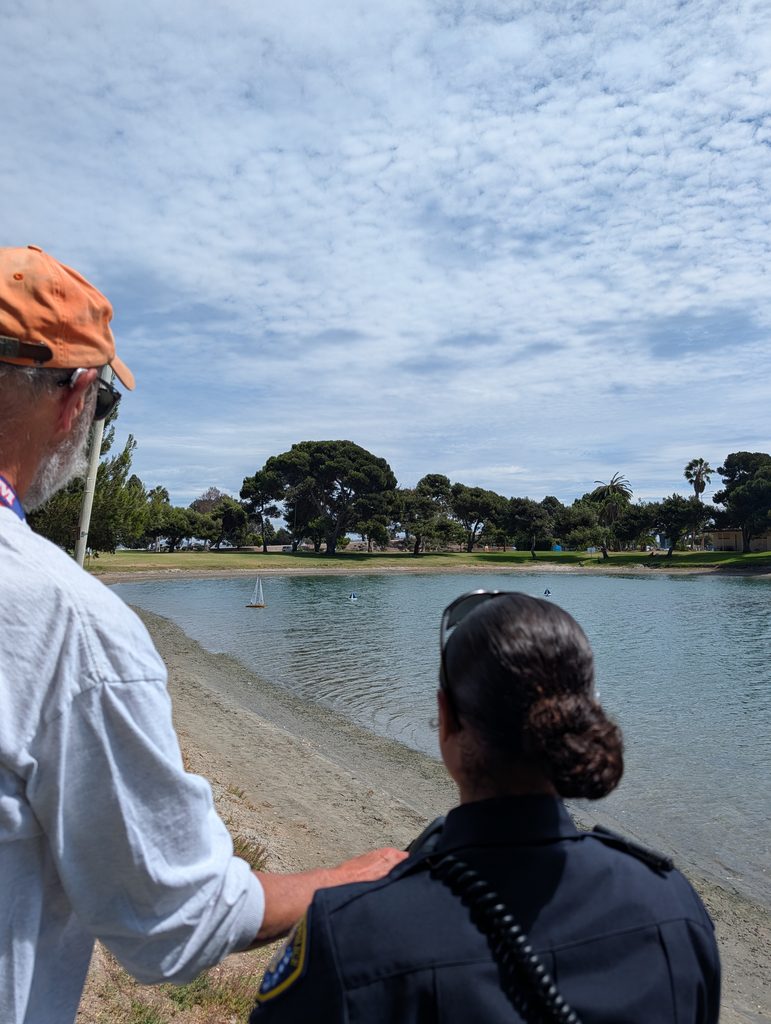
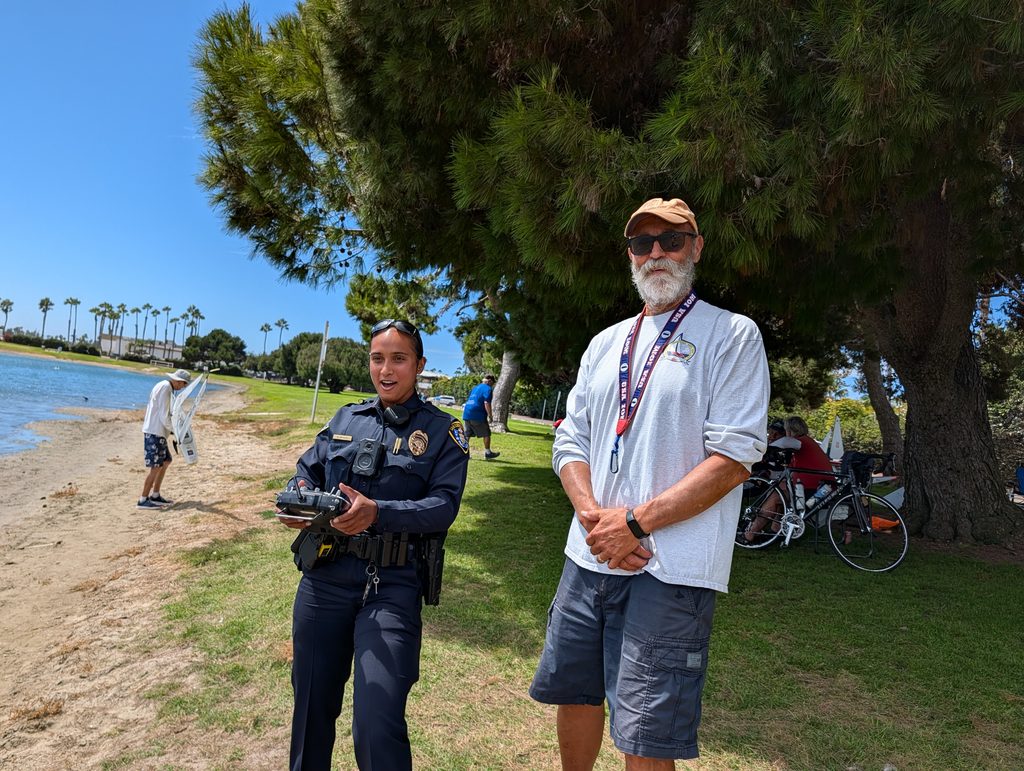
During their regular patrol, two local police officers noticed the activity, stopped to see what was happening, and soon found themselves joining in the fun.
Our commodore Jess Atkinson introduced them to our boats and gave them an opportunity to try radio-controlled sailing for themselves.
The San Diego Argonauts have always brought together people from many walks of life. Over the years, our members have included military service members, district attorneys, doctors, teachers, firefighters, engineers, businesspeople, professional captains, professional sailors, Olympic and national-level competitive sailors, retirees, and many others.
It would be wonderful to someday add a police officer, or two, to that mix!
Earlier in the week, on Wednesday, we also welcomed our second new woman member in approximately one month, following nearly a decade without a new woman joining the club. That is an encouraging sign. We hope to continue introducing RC boating to an increasingly broad and diverse group of San Diegans.
A Big MiniMax STEM Milestone
Saturday also marked an important milestone for our growing high-school STEM and robotics initiative.
Working with the Engineering and Robotics program at University City High School, we recently completed the first 3D-printed MiniMax sailboat in what we hope will eventually become a student-built fleet.
After two short test sails in a swimming pool, the little MiniMax, which we named “Pink Maxine”, was finally ready to leave the protected waters and venture onto the “high seas” of our mighty San Diego Model Yacht Pond!
Pink Maxine spent some time alongside two beautiful schooners from our Scale Division. Seeing the tiny, modern, 3D-printed sailboat sharing the water with these wonderfully detailed traditional vessels made for a memorable contrast and a great example of the variety found within the San Diego Argonauts.
Like an eager little sibling trying to keep up with its much bigger sisters, Pink Maxine sailed confidently alongside them and did a remarkably good job of it. It may have been the smallest sailboat on the pond, but it looked perfectly at home!
This first boat is an important proof of concept for the school program. Students will be able to learn about 3D printing, design, electronics, radio systems, mechanical assembly, sailing, teamwork, and racing through one hands-on project. We thank Castlerack Yachtworks and Brett McCormack, the creator of MiniMax, for making it so simple for schools to engage in such a fun activity.
Saturday’s outing brought together many of the things that make the San Diego Argonauts special: competitive racing, beautiful scale models, public outreach, new friendships, and the opportunity to introduce the next generation to model boating.
A successful race day often begins long before the starting signal.
In the latest episode of San Diego Argonauts Radio, we explore the maintenance habits that help keep our boats reliable, responsive, and ready to make every start. The discussion covers the four primary sailboat classes raced at the San Diego Model Yacht Pond: the DF95, ODOM, Soling 50, and IOM.
Saltwater sailing can be particularly demanding on model yachts. Sheets chafe, metal fittings corrode, rudder shafts seize, electrical connections deteriorate, and even small leaks can eventually cause major problems. Fortunately, many of these issues can be prevented through regular inspection, cleaning, lubrication, and careful storage.
Topics covered in this episode include:
Inspecting sheets, pivot lines, travelers, and other friction points for chafe
Preventing corrosion caused by saltwater and dissimilar metals
Cleaning and lubricating rudder shafts, tubes, goosenecks, and fittings
Protecting keel bulbs and keel-fin slots from corrosion
Checking deck-to-hull joints and rudder tubes for leaks
Keeping receivers, servos, plugs, and other electronics clean and dry
Rinsing and drying boats thoroughly after every sailing session
Identifying small problems at home—before they cost you races at the pond
The episode offers specific recommendations for each class. DF95 owners will hear tips for maintaining the stern turning block, keel bulb, sheets, gooseneck, and sail ties. ODOM and older Soling 50 sailors will want to pay particular attention to their rudder tubes and shafts, where corrosion can eventually seize the entire assembly. IOM sailors are reminded to inspect their traveler systems, elastic tensioners, spars, vangs, goosenecks, and mast fittings.
The central message is simple: inspect and service your boat when you put it away—not when you take it out for the next regatta. That gives you plenty of time to make repairs and reduces the chance of discovering a broken sheet, frozen fitting, or corroded connection minutes before a race.
The episode concludes with a recap of our August points racing. Congratulations to Kerim Baran for winning the Soling 50 racing, Jess Atkinson for taking the ODOM day, Gary Winton for earning the top spot in the IOM fleet, and Chris Davidson for winning the DF95 racing during one of his final sailing days with the Argonauts before returning to Australia.
Whether you are preparing for a major regatta or simply heading to Mission Bay for a Saturday of club racing, a consistent maintenance routine will help keep your boat on the water—and help ensure that you make every start.
The San Diego Argonauts were proud to host the 2026 AMYA Soling 50 National Championship Regatta, and what a terrific event it was. Great racing, great camaraderie, and tremendous support from club members made the regatta both successful and genuinely fun for everyone involved.
Three cheers for our own Chris Staiger, who captured the national championship and the top spot on the podium! George Pedrick sailed to an impressive second-place finish, while fellow Argonaut Ty Beach completed the podium in third.
Final Results
Chris Staiger — First Place
George Pedrick — Second Place
Ty Beach — Third Place
The Corinthian Award went to Jim Wandolleck of San Rafael. Congratulations, Jim!
A championship regatta takes a team, and many Argonauts generously pitched in:
Setup, driving, trophies and much more: Ben Reeves
Video: Steve Ross and Pat Nevitt
Race team: Kelly McConvil, Jason Brooks, Jack C. and Gil J.
The ever-supportive peanut gallery: Bill B., Bob W., Keith S. and Tom W.
A heartfelt thank-you to Ben Reeve (AMYA Soling 50 Class Secretary) and all the club members who came out to support the Soling 50 NCR. Your time, energy and good spirits made this a memorable event for the competitors and another proud moment for the San Diego Argonauts.
Congratulations to Chris, George, Ty, Jim and everyone who helped make the regatta such a success!